

Spice guide
Paprika
Paprika is simply dried, ground red pepper, but a tin of Hungarian édesnemes, a smoky Spanish pimentón and a jar of hot paprika will each take a dish somewhere different. Here is how the types differ, how hot they are, where they come from and how to cook with them.
- Capsicum annuum
- Sweet to hot
- Hungary & Spain
- Bloom it, don’t burn it

- Édesnemessweet, Hungary
- De la Verasmoked, Spain
- Erőshot, Hungary
Paprika is a spice made from dried and ground red peppers, Capsicum annuum. The peppers used are mostly mild, thin-fleshed kinds, and the heat depends on how much of the seeds and pale inner ribs go into the mill: sweet paprika is mostly the flesh of the pod, hot paprika keeps more seeds and ribs. [1]
Its red comes from carotenoid pigments, mainly capsanthin and capsorubin. Producers measure colour in ASTA units, and the colour fades as the spice ages, which is why fresh paprika is bright red and old paprika turns dull and brownish. [1,3]
Hungary and Spain make the best-known paprikas, and both protect their best by law: Szeged and Kalocsa in Hungary, La Vera and Murcia in Spain all hold EU Protected Designation of Origin status. [4,13,10,11]
From sweet to hotHow hot is it? The paprika heat guide
Hungary
- Különlegesspecial qualitymildest, brightest red
- Csípősmentes csemegedelicate, heat-freemild, rich
- Csemegedelicatea touch more bite
- Édesnemesnoble sweetthe everyday sweet one
- Félédeshalf-sweetmedium
- Rózsaroselight red, mild heat
- Erőshothottest, browner
Spain (pimentón)
- Dulcesweetsmoked if “de la Vera”
- Agridulce / ocalbittersweetintense, faint bite
- Picantehotdecidedly hot
Supermarket jars
- Paprika / sweet paprikaunlabelled jarsusually mild
- Smoked paprikasweet unless it says hotsmoky, not hot
- Hot paprikaor “hot smoked”check the label
- Szeged PDO: sweet: no more than 100 mg/kg capsaicin; 100–200 mg/kg moderately hot; over 200 mg/kg hot [3]
- Kalocsa PDO: 30–200 mg/kg moderately hot; 200–500 mg/kg spicy; over 500 mg/kg hot [5]
- La Vera PDO: capsaicin “absent” in the Jaranda and Jariza peppers used for dulce and agridulce, “present” in Jeromín, used for picante [9]
- édes = sweet (Hungarian)
- csípős / erős = hot (Hungarian)
- csípősmentes = heat-free (Hungarian)
- füstölt = smoked (Hungarian)
- dulce = sweet (Spanish)
- agridulce / ocal = bittersweet (Spanish)
- picante = hot (Spanish)
- ahumado = smoked (Spanish)
Bars show relative heat as the makers and the protected-origin rules describe each type; brands and harvests vary, so taste a pinch. Official specifications measure heat as capsaicin in milligrams per kilo, not in Scoville units, and we have not found a reliable source that gives Scoville figures for these grades, so we do not quote any.
HungaryHungarian paprika: the grades
Hungarian shops sell paprika under traditional grade names, from the mildest and reddest to the hottest. The descriptions below are the usual ones; makers differ, so the words édes (sweet) and csípős or erős (hot) on the label matter as much as the grade. [8,2,1]
| Grade | Colour and flavour | Heat | Use it for |
|---|---|---|---|
| KülönlegesSpecial quality | The brightest red, finest grind, sweet and aromatic | None to barely any | Colour and flavour where you want no heat: paprikás csirke, sauces, sprinkling |
| Csípősmentes csemegeDelicate, heat-free | Mild with a rich flavour | None | Everyday sweet use; a good all-rounder |
| CsemegeDelicate (exquisite delicate) | Like the above with a little more bite; a csípős csemege (pungent delicate) is hotter still | Slight | Goulash, pörkölt, stuffed peppers |
| ÉdesnemesNoble sweet | Bright red, the most common type; the one in the red-white-green tins | Slight | The default for goulash and most Hungarian cooking |
| FélédesHalf-sweet | Red, with noticeable warmth | Medium | When you want warmth as well as colour |
| RózsaRose | Lighter red | Mild | Soups and stews |
| ErősHot | The hottest; light brown-orange rather than red | Hot | Use with care, or alongside sweet paprika: halászlé, hot pörkölt |
Today’s Hungarian Food Codex puts ordinary ground paprika into two classes by how red it still is at the end of its shelf life: Class I (at least 100 ASTA) and Class II (at least 80 ASTA). Only paprika made entirely from Hungarian peppers may be called csemege (Class I) or édesnemes (Class II). Either class can be sweet or hot. [7]
Szeged and Kalocsa
SzegedSzegedi fűszerpaprika-őrlemény / Szegedi paprika (PDO, 2010)
- The city on the Tisza in southern Hungary, and its surrounding villages in Csongrád and Békés counties. Peppers must be grown, ground and packed there, from listed Szeged varieties.
- At packing it must reach at least 120 ASTA (a deep red), with a best-before of no more than 12 months; no additives. The sweet version has no more than 100 mg/kg capsaicin.
- Szeged paprika is ground in stone mills, and it is not sold in the grade classes: it is simply sweet or hot.
KalocsaKalocsai fűszerpaprika-őrlemény (PDO, 2012)
- The Danube town and its region between the Danube and the Tisza. Its name was already on the international register of appellations under the Lisbon Agreement in 1969.
- The pods are left to post-ripen for 10–40 days, then dried gently (no more than 80 °C at the surface) and ground below 80 °C with their natural share of seeds.
- Described as deep silky red, sweet and fruity, with a smell like caramelised roasted seeds.
SpainSpanish pimentón
Spanish paprika is pimentón. It comes in three strengths, and the two protected kinds are made very differently: La Vera’s is smoked over oak, Murcia’s is not.
Pimentón dulceSweet
Mild and completely sweet. In La Vera made from the round Bola and the Jaranda peppers.
Pimentón agridulce (ocal)Bittersweet
Intense, entirely sweet or only slightly sharp. La Vera uses Jaranda and Jariza.
Pimentón picanteHot
Decidedly hot on the palate. La Vera uses Jeromín, Jariza and Jaranda.
Varieties and descriptions from the La Vera PDO specification [9].
Pimentón de la Vera (DOP)EU registration 22 August 2007
- From La Vera and neighbouring districts in the north of Cáceres, Extremadura. Always smoke-dried over holm oak and/or oak (see the smoked paprika section below).
- Comes in dulce, agridulce and picante, and is prized for colour that stays red for a long time.
Pimentón de Murcia (DOP)EU registration 8 March 2001
- From Murcia in south-east Spain, made only from the round Bola pepper and sold as sweet paprika.
- Not smoked: the peppers are dried in the sun or in hot-air dryers, so it tastes of sweet pepper rather than wood smoke.
SmokedSmoked paprika (pimentón de la Vera)
How La Vera smokes its peppers
- Why smoke?
In La Vera the peppers ripen in autumn, the rainy season, so they cannot be sun-dried as in Murcia. Farmers dried them over wood fires instead, using the local oaks.
- The drying shed
A brick shed about 5 m high. An oak or holm-oak fire burns on the ground floor; the peppers lie on a wooden grating above it, and the smoke and warm air rise through them and out through the tiled roof.
- 10–15 days
The peppers dry slowly from about 80% to under 15% moisture and are turned regularly so they dry evenly. It takes roughly 5 kg of firewood for every kilo of dried pepper.
- Milled
The dried pods are ground into dulce, agridulce or picante pimentón. The slow smoking gives the deep, stable red and the smoky smell and taste.
From the Pimentón de la Vera PDO specification [9].
Sweet smokedpimentón de la Vera dulce
Smoky and mellow, no heat. The most useful one to keep.
Bittersweet smokedagridulce / ocal
Smoky with a faint bite and a deeper, slightly bitter edge.
Hot smokedpicante
Smoky and properly hot. Use less, or mix with sweet smoked.
How it behaves in the pan
- It is strongerSmoked paprika tastes far more of itself than sweet paprika: start with about half the amount a recipe gives for ordinary paprika, then taste.
- It burns the same waySugar in any paprika scorches in seconds. Bloom it in warm oil off the heat or add it with the liquid.
- It can take overA teaspoon is enough to make a stew taste Spanish. Good if that is what you want; not if you are making a Hungarian classic.
Use smoked paprika for
- Chorizo-style dishes, beans and chickpeas, patatas bravas
- Roast potatoes and roast vegetables, tossed in oil first
- Rubs for pork, chicken and barbecue
- Vegetarian stews and soups where you miss the smoky note of bacon
- Chilli: our chilli’s smoky chipotle variation uses it
Skip it for
- Hungarian gulyás, pörkölt and paprikás: they are made with unsmoked Hungarian paprika
- Delicate fish and cream sauces (sauce hongroise, halászlé)
- Anywhere the recipe wants colour without flavour: use sweet unsmoked paprika
Smoked swaps
- No smoked paprika?Use sweet paprika plus a small pinch of chipotle powder (smoky but hot), or a pinch of smoked salt (and less salt elsewhere).
- Only smoked, recipe wants sweet?Use half the amount and taste; or leave it out of Hungarian dishes and buy a sweet paprika.
- Only hot smoked?Mix with sweet (unsmoked) paprika to bring the heat down.
HistoryA short, sourced history
- Before 1492
Peppers (Capsicum annuum) are native to the Americas: gathered in Mexico around 7000 BC and cultivated before 3500 BC. [1]
- 1492–1500
Christopher Columbus probably met peppers on his first voyage and may have brought plants back to Europe. The first records of pepper growing in Cáceres date from the end of the 15th century, started by the Hieronymite friars of the Monastery of Guadalupe, who passed it to their monastery at Yuste in La Vera and on to their convent at La Ñora in Murcia. [1,9]
- 1500s
Spanish and Portuguese traders spread peppers fast: to Italy by 1526, Germany by 1543, and known in Hungary by 1569. Trade carried them through the Balkans into central Europe; the Ottoman Turks, who ruled central Hungary for much of the 16th and 17th centuries, took them up too. [1]
- 1604
The earliest reference in a Hungarian dictionary calls the pepper török bors, “Turkish pepper” (George Lang). The word paprika itself comes from the South Slavic (Serbo-Croatian) papar, pepper: both names point to the route through the Balkans and the Ottoman lands. [1]
- 1699 onwards
The Turks were expelled from Hungary in 1699. Peppers grown by nobles as ornamental garden plants spread to peasant plots, and herdsmen on the Great Plain began using coarsely ground dried peppers in place of black pepper. In the early 1700s several villages around Kalocsa were growing paprika. [2,5]
- 1775
The name paprika comes into use in Hungary, in a herbal of 1775. [1]
- 1806–1830s
Black pepper soared in price after Napoleon’s embargo of 1806, pushing paprika into humbler kitchens. From the 1830s the herdsmen’s dish, gulyás, crept into town kitchens, cookbooks and restaurants. The first recorded use of “paprika” in English is in The Times in 1830. [2,1]
- After 1848–49
After the failed revolution, the paprika stew (as pörkölt) became a national symbol. Through the 19th century paprika turned into a commercial product sold well beyond the growing regions. [2,5]
- Late 1800s
The first paprika drying plant in Kalocsa is built in 1880, and by the early 1900s 12–15 paprika mills line the Tisza at Szeged. Two Szeged smiths, the Pálffy brothers, invent a machine that splits the dried pods and removes the hot ribs and seeds, making a milder “noble sweet” paprika possible. Food historian Rachel Laudan records that Auguste Escoffier imported Szeged paprika and served Goulash à la Hongroise in Monte Carlo in 1879. [5,2]
- 1901–1922
Hungary exports almost 600 tonnes of paprika in 1901. A paprika experimental station opens in Kalocsa in 1917, where the “noble” and the sweet (non-hot) varieties are bred, and a ministerial decree of 1922 sets the first paprika quality code. [5]
- 1930s
At the University of Szeged, Albert Szent-Györgyi finds that fresh red paprika peppers are “a treasure chest full of vitamin C”: citrus juice had been hard to purify because of its sugars, and paprika proved a far better source; between 1930 and 1936 he shows that vitamin C could be extracted from paprika in kilogram quantities. He wins the 1937 Nobel Prize in Physiology or Medicine “for his discoveries in connection with the biological combustion processes, with special reference to vitamin C and the catalysis of fumaric acid”. [14,15]
- 1969–2012
Protection by law: Kalocsa on the international Lisbon register (1969); Pimentón de Murcia (2001), Pimentón de la Vera (2007), Szeged (2010) and Kalocsa (2012) registered as EU Protected Designations of Origin (Murcia, La Vera and Kalocsa are also on the UK register). [5,11,10,4,13]
Not included because we could not verify it: exact dates for the Pálffy machine, any single “inventor” of goulash, and paprika-content claims from old leaflets (our 1990s spice gallery card says paprika reached Hungary with the Turks “in 1699”; the dictionary record of 1604 and the 1569 date show it was known there earlier).
Where it is usedPaprika dishes across Hungary, Central Europe and Spain
Gulyás (goulash)Hungary
In Hungary gulyás is a soup: beef, onions, paprika, caraway, potatoes and other vegetables, often with little pinched noodles (csipetke). Bográcsgulyás is cooked outdoors in a kettle over a fire. [16]
On Cookeryonline: Goulash, Bean Goulash
PörköltHungary
The thick stew that most of the world calls goulash: meat cooked with plenty of onion in lard and paprika, simmered down until thick. Hungarian stews (except paprikás) use no flour. Beef, pork, chicken or rooster. [16]
Paprikás csirkeHungary
Chicken paprikash: a pörkölt finished with sour cream, made with sweet (édesnemes) or hot paprika, which gives the sauce its rosy colour. Usually served with nokedli dumplings. [17,16]
On Cookeryonline: Hungarian Sauce
HalászléHungary, Croatia, Serbia
Fisherman’s soup: bright red, made with carp or mixed river fish and generous hot paprika; one of Europe’s spiciest dishes. In Croatia it is riblji (fiš) paprikaš. [18]
GulaschAustria & Germany
Vienna made goulash its own: Rick Stein’s Viennese version uses lots of onion and both sweet and hot paprika; German cooks use paprika in Rindergulasch, fish stews, braised duck and stuffed cabbage. [1]
On Cookeryonline: Koenigsberger Klops
Gulaš and ajvarSerbia & the Balkans
Serbian gulaš is a pörkölt-like stew of meat, onions and paprika. Ajvar, the Balkan red pepper relish, is made from roasted fresh peppers rather than powder, and shares the same sweet-pepper flavour. [16,19]
ChorizoSpain
Pimentón gives Spanish chorizo its colour and much of its flavour; the sausage is dulce or picante depending on the pimentón used. [21,1]
On Cookeryonline: Chicken and Chorizo Jambalaya
Patatas bravasSpain
The brava sauce is built on sweet or smoked pimentón, often Pimentón de la Vera, in olive oil. [20]
Hongroise and BasquaiseFrance
French “à la hongroise” dishes use sauce hongroise, onions cooked with paprika and white wine, often finished with cream; Basque cooking uses paprika too. [1]
On Cookeryonline: Hungarian Sauce, Chicken Basquaise (Poulet Basquaise)
Kitchen tipsCooking with paprika: don’t burn it
- Soften the onions first
Cook them gently in fat until soft and golden: that is the base of goulash and pörkölt.
- Take the pan off the heat
Paprika contains sugar and burns in seconds; burnt paprika is bitter and spoils the whole dish. Pull the pan off the heat (or let it cool a moment) before adding it.
- Bloom it in the fat
Stir it into the warm fat for 20–30 seconds, until it smells sweet and the fat turns red. That is where the colour and flavour come from.
- Add liquid straight away
Add the meat juices, stock, tomatoes or water at once to cool the pan, then return it to the heat and carry on.
Method as described by Hungarian cooks [2,8].
How much? For a goulash or pörkölt for four, 2–3 heaped tablespoons (about 20–25 g) of sweet Hungarian paprika is plenty; our Goulash and Bean Goulash use 25 g. For a garnish, a light dusting.
Storage and freshness
- Buy small, buy oftenPaprika fades faster than most spices. Szeged PDO paprika may carry a best-before of no more than 12 months from packing; McCormick gives 2–4 years for ground spices generally. [3,22]
- Airtight, dark and coolKeep it in a sealed tin or jar away from the hob, light and steam. Never shake it straight from the jar over a steaming pan. [8,22]
- Judge it by colour and smellFresh paprika is bright red and smells sweet; dull, brownish paprika with little smell has lost its flavour (Craig Claiborne). [1]
- Date the jarWrite the date you opened it on the lid.
No paprika in the cupboard?Substitutions
- Sweet paprikaUnsmoked pimentón dulce, like for like. Smoked dulce at half the amount, if smoke suits the dish.
- Hungarian paprikaAny good sweet paprika; for goulash it is worth buying Hungarian (look for édesnemes or the Szeged / Kalocsa PDO).
- Hot paprikaSweet paprika plus a pinch of cayenne: about ⅛ teaspoon cayenne to 1 teaspoon paprika, then taste.
- Smoked paprikaSweet paprika with a small pinch of chipotle powder (adds heat) or smoked salt.
- Pimentón picanteHot smoked paprika, or sweet smoked plus a pinch of cayenne.
- Not chilli powderShop chilli powder is hotter and often contains cumin, oregano and garlic; mild chilli powder will do at a push, but expect a Tex-Mex taste.
- Just for colourSweet paprika is the one to use; or a little tomato purée cooked out in the fat.
Cook itPaprika recipes on Cookeryonline
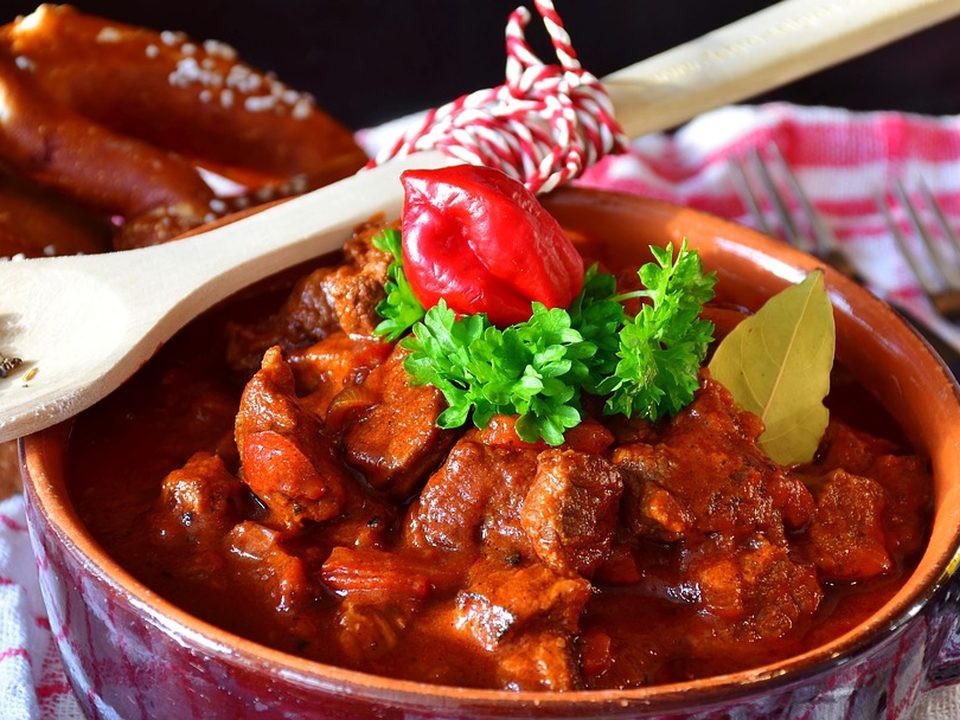
Photo: RitaE, Wikimedia Commons, CC0 (cropped)
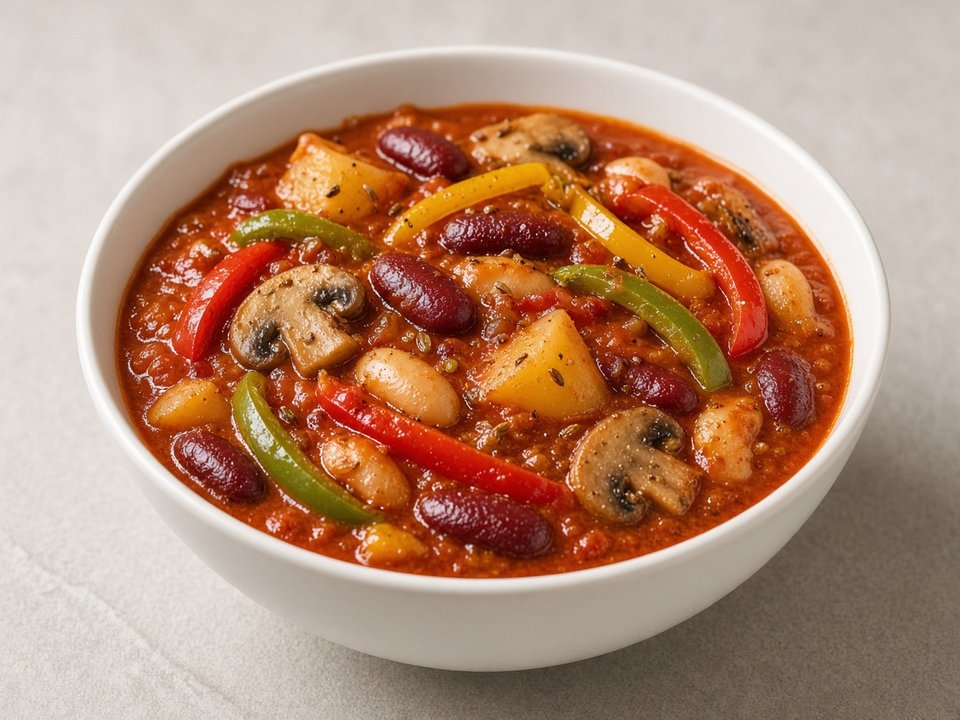
Illustration (AI-generated)
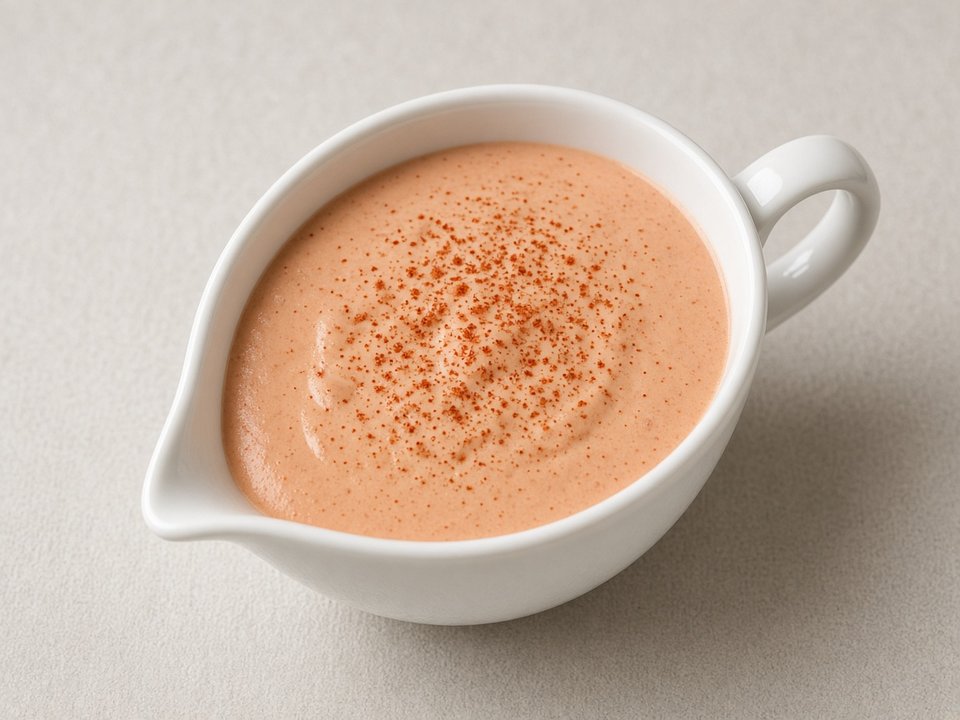
Illustration (AI-generated)
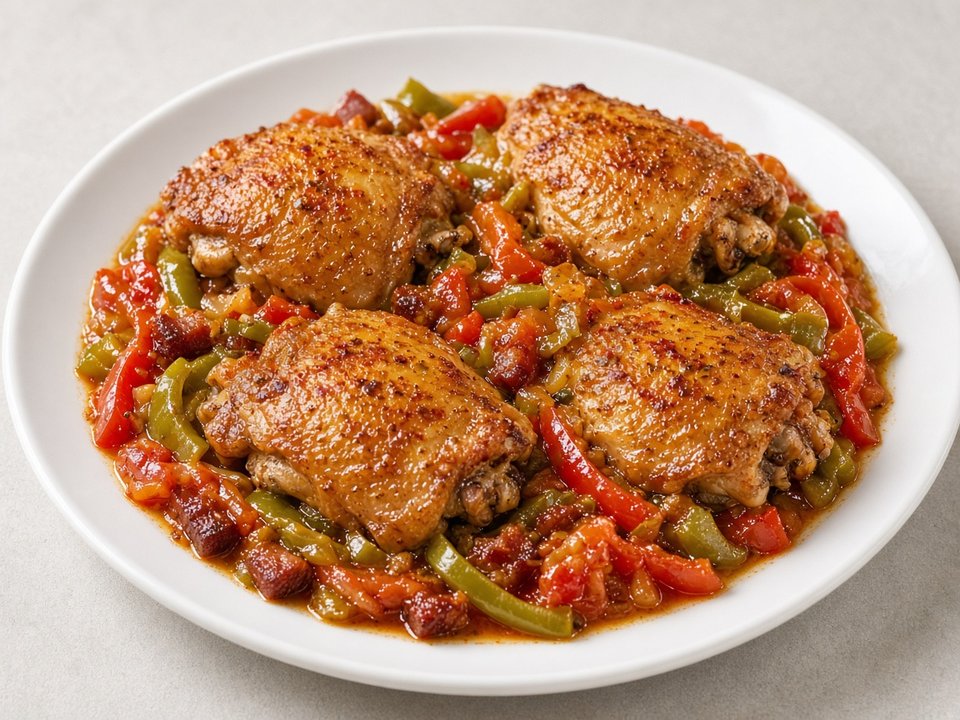
Illustration (AI-generated)
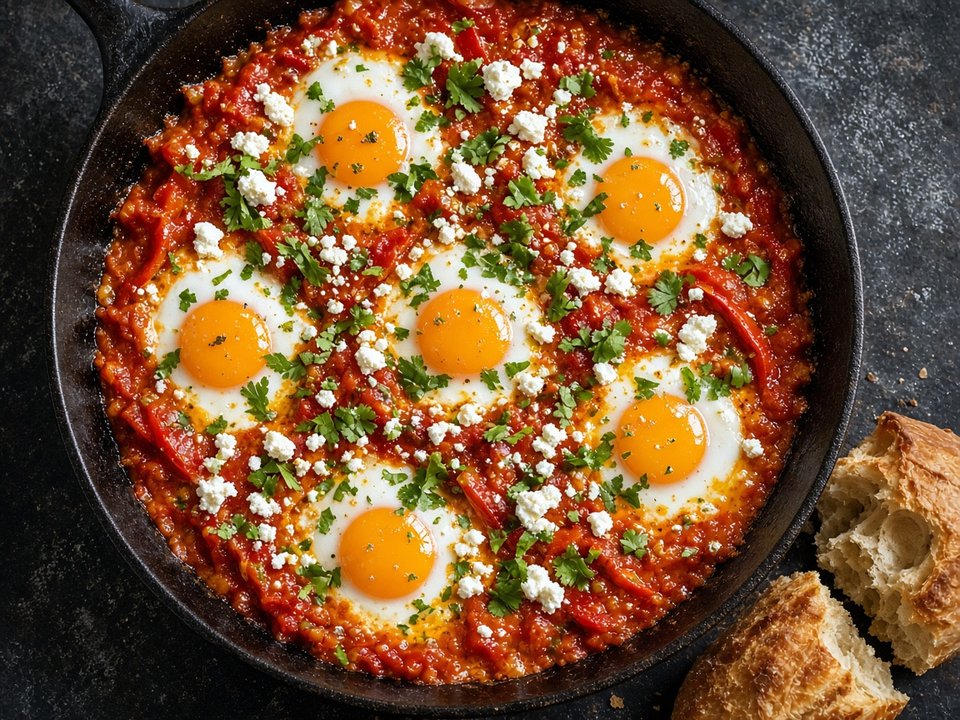
Illustration (AI-generated)
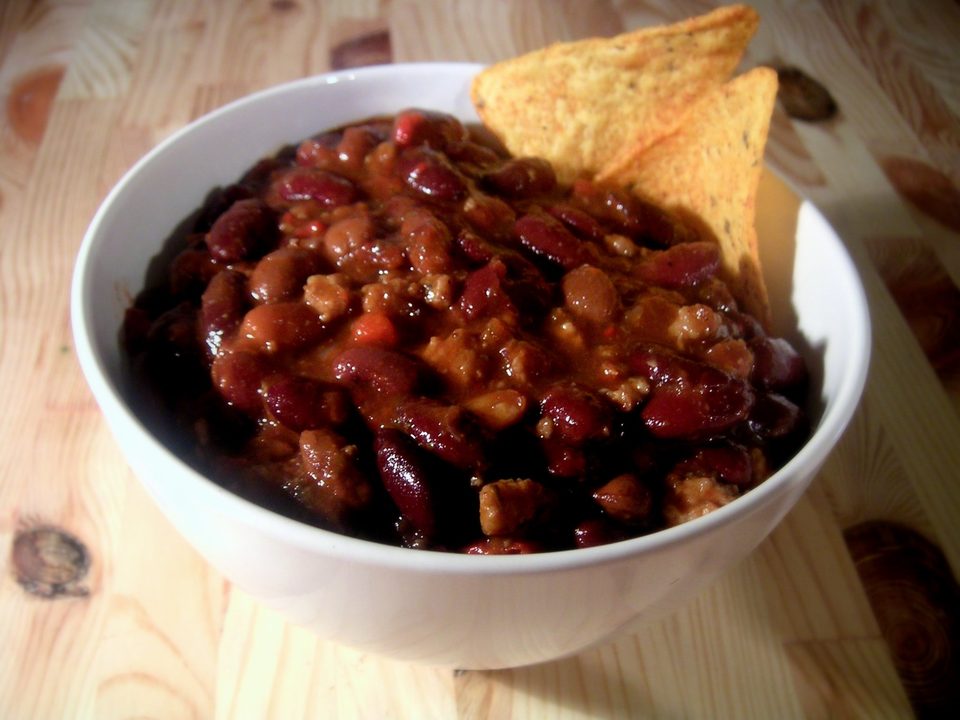
Photo: Carstor, Wikimedia Commons, CC BY-SA 2.5 (cropped)
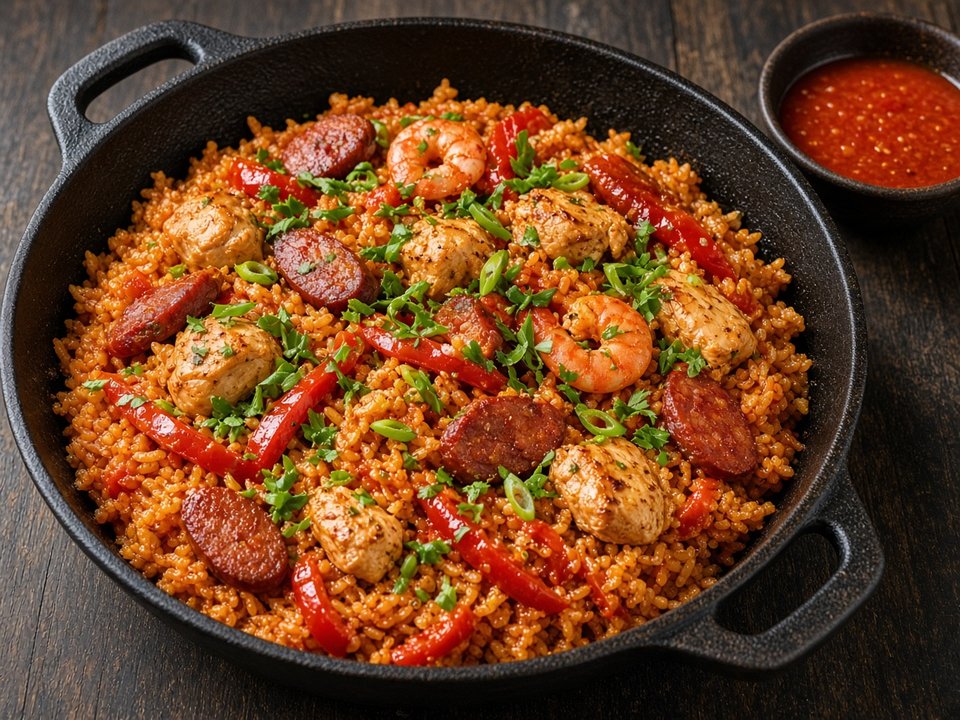
Illustration (AI-generated)
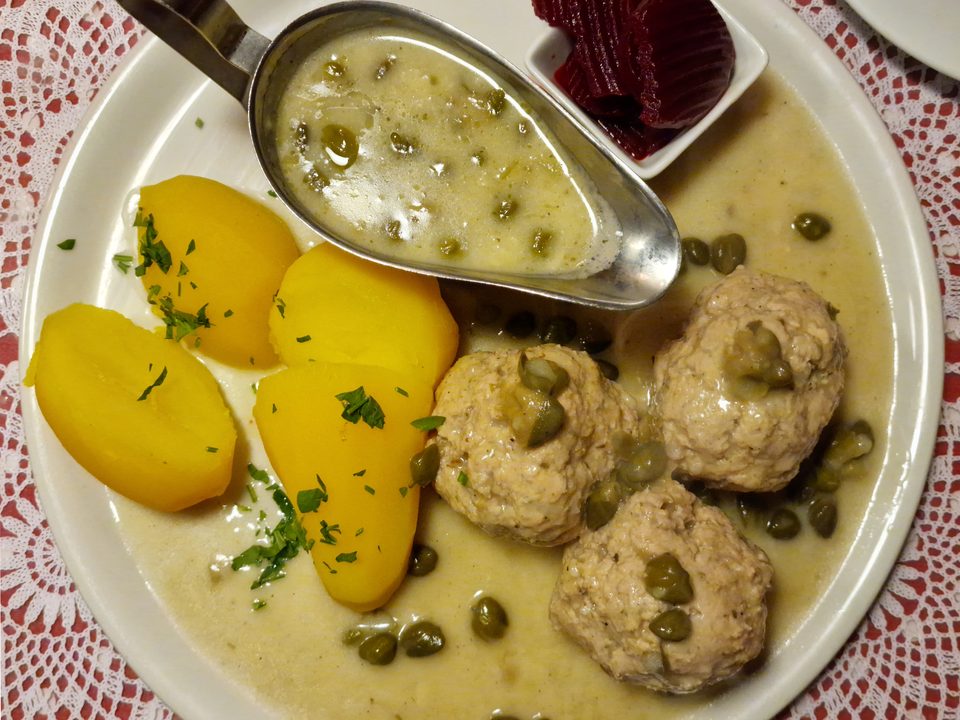
Photo: Anagoria, Wikimedia Commons, CC BY 3.0 (cropped)
Illustration (AI-generated)
Illustration (AI-generated)


Sources for this guide (22)
- Wikipedia: Paprika (history section citing Alan Davidson, The Oxford Companion to Food, and George Lang, The Cuisine of Hungary)
- Rachel Laudan, “The Humble Beginnings of Goulash”, Smithsonian Magazine, April 2016
- EU Official Journal C 44, 20 Feb 2010: “Szegedi fűszerpaprika-őrlemény” or “Szegedi paprika” PDO summary (capsaicin limits, colour, area)
- Commission Regulation (EU) No 986/2010 of 3 November 2010 registering Szegedi fűszerpaprika-őrlemény / Szegedi paprika (PDO)
- EU Official Journal C 303, 14 Oct 2011: “Kalocsai fűszerpaprika-őrlemény” PDO summary (heat bands, drying, history)
- Commission Implementing Regulation (EU) No 588/2012 of 3 July 2012 registering Kalocsai fűszerpaprika-őrlemény (PDO)
- Paprika Molnár, “Fűszerpaprika kisokos” (2019, in Hungarian): Hungarian Food Codex classes, csemege and édesnemes
- Budapest By Locals: Hungarian paprika types, history and cooking tips
- Pimentón de la Vera PDO product specification (English, GOV.UK copy): varieties, smoke-drying, history
- GOV.UK protected food names: Pimentón de la Vera (PDO, EU registration 22 August 2007)
- GOV.UK protected food names: Pimentón de Murcia (PDO, EU registration 8 March 2001)
- Boletín Oficial de la Región de Murcia, 2001: Reglamento de la Denominación de Origen “Pimentón de Murcia” (Bola variety; sun and air dryers)
- GOV.UK protected food names: Kalocsai fűszerpaprika-őrlemény (PDO, EU registration 5 July 2012)
- American Chemical Society: Albert Szent-Györgyi’s Discovery of Vitamin C (International Historic Chemical Landmark, Szeged, 2002)
- NobelPrize.org: Albert Szent-Györgyi, Nobel Prize in Physiology or Medicine 1937, facts
- Wikipedia: Goulash (gulyás, pörkölt, paprikás; Serbian gulaš)
- Wikipedia: Chicken paprikash
- Wikipedia: Fisherman’s soup (halászlé)
- Wikipedia: Ajvar
- Wikipedia: Patatas bravas
- Wikipedia: Chorizo
- McCormick: How long do spices last? (ground spices including paprika: 2–4 years)
Written 1 November 2026. History checked against the sources above on 1 November 2026; Amazon listings checked on 1 November 2026.