

Know How · Chocolate
Chocolate Production
Turning cocoa beans into edible chocolate is a long and complicated process which begins on the plantations.
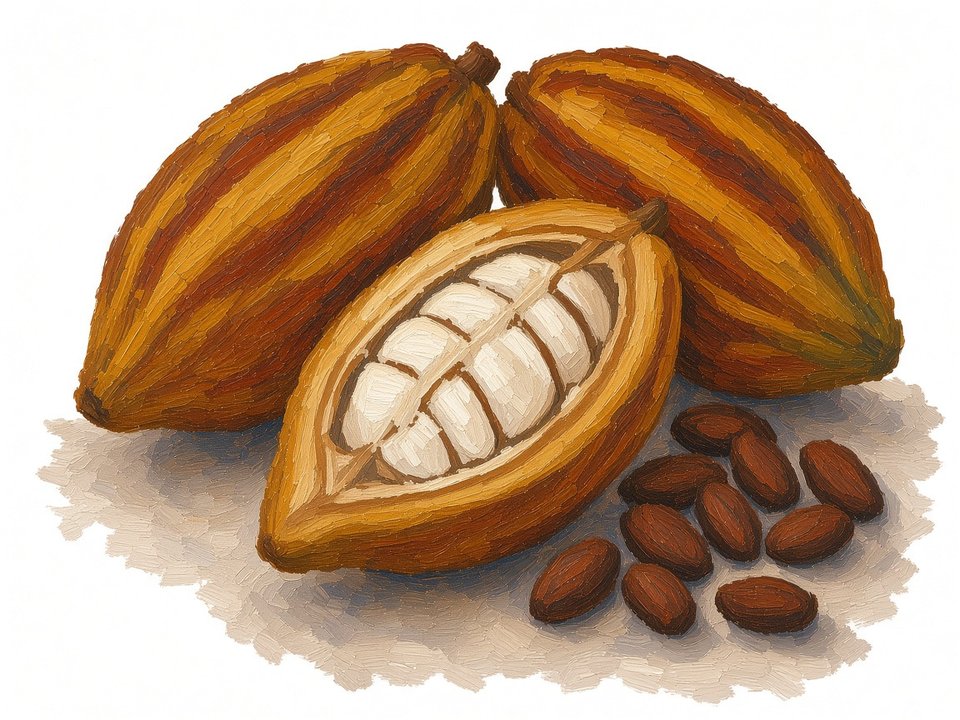
On the plantation
As the world’s appetite for chocolate increased, manufacturing methods improved to meet the growing demand. Turning cocoa beans into edible chocolate is a long and complicated process which begins on the plantations.
Cocoa trees start producing when they are three to five years old. The beans grow in spindle-shaped pods which only form on the trunk and thickest branches of the trees. The pods are harvested twice a year and split open at once, so the beans can be scooped out and left to dry in the sun. An average tree only yields one or two pounds of dried beans a year, since the beans lose 50 per cent of their weight drying.
From bean to cocoa
Once dry, the beans are roasted to bring out their flavour and then cracked so their protective shells and husks can be removed, leaving the kernels called nibs. The nibs are then ground, which melts the cocoa butter in the nibs, leaving a thick paste called ‘chocolate liquor’. This liquor, cooled and hardened, is unsweetened cooking chocolate.
If the liquor is then pressed, more cocoa butter is released. The remaining hard mass is ground to powder which becomes cocoa. In England cocoa powder is mixed with powdered milk and sold as drinking chocolate.
Eating chocolate
To form the sweetened chocolate, extra cocoa butter is added to the liquor, along with sugar and flavouring. Milk chocolate, now made with dried milk, was originally made with condensed milk.
We owe the taste and texture of chocolate as we now know it to Rodolphe Lindt. Until 1879, all eating chocolate had a rough, grainy texture. In that year Lindt increased the amount of cocoa butter in his chocolate recipe and mixed the enriched liquor repeatedly over several days. The result was the smooth chocolate so popular today.
A good chocolate
A good chocolate is shiny brown, breaks cleanly and is free from lumps, tiny burst bubbles and white specks. It melts on the tongue like butter, has a true aroma of chocolate rather than of cocoa powder, and is neither greasy nor sticky.
The more cocoa butter it contains, the softer and creamier the chocolate is. The less it contains, the harder and more brittle it becomes. The more bitter the chocolate is, the more flavour it has. The finest chocolate always contains a high proportion of cocoa butter, on average 35 per cent, but sometimes as much as 50 per cent. In inferior types, palm or vegetable oils and shortenings are substituted.