
Pizza · guide
Pizza: history, styles, ovens & toppings
From the street ovens of 18th-century Naples to deep-dish Chicago and Detroit’s square pan pies: where pizza comes from, the main styles, how to get the best from a pizza oven or an ordinary kitchen oven, the kit worth buying, the classic toppings, and our tested recipes for the dough.
- Sourced history
- 10 styles
- 6 ways to bake
- Kit & toppings
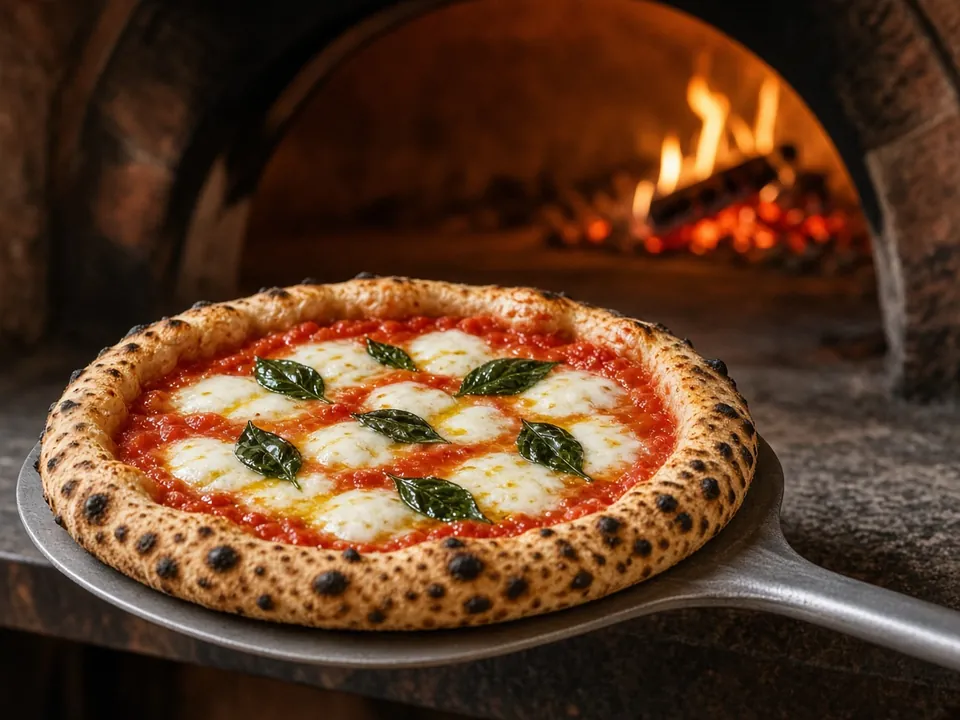
Good pizza needs only four things in the dough (flour, water, salt and yeast), a little patience, a very hot surface and a light hand with the toppings. Start with our Pizza Dough; everything else on this page helps you choose a style, an oven and the toppings.
From the Cookeryonline Cook BookOur pizza recipes
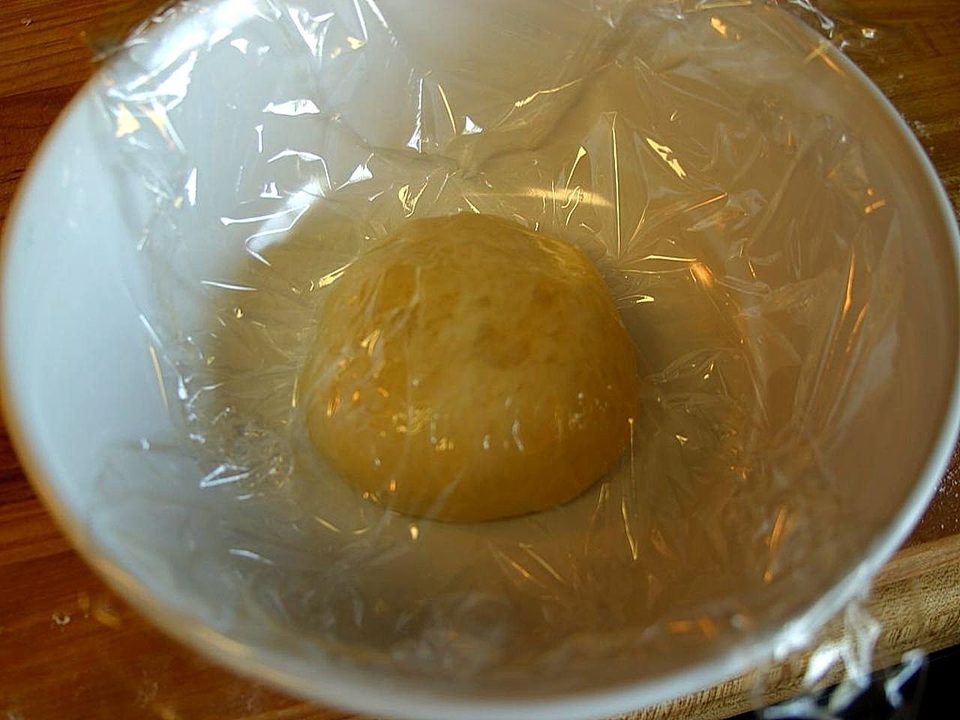
Photo: Jon Sullivan, Wikimedia Commons, Public domain (cropped)
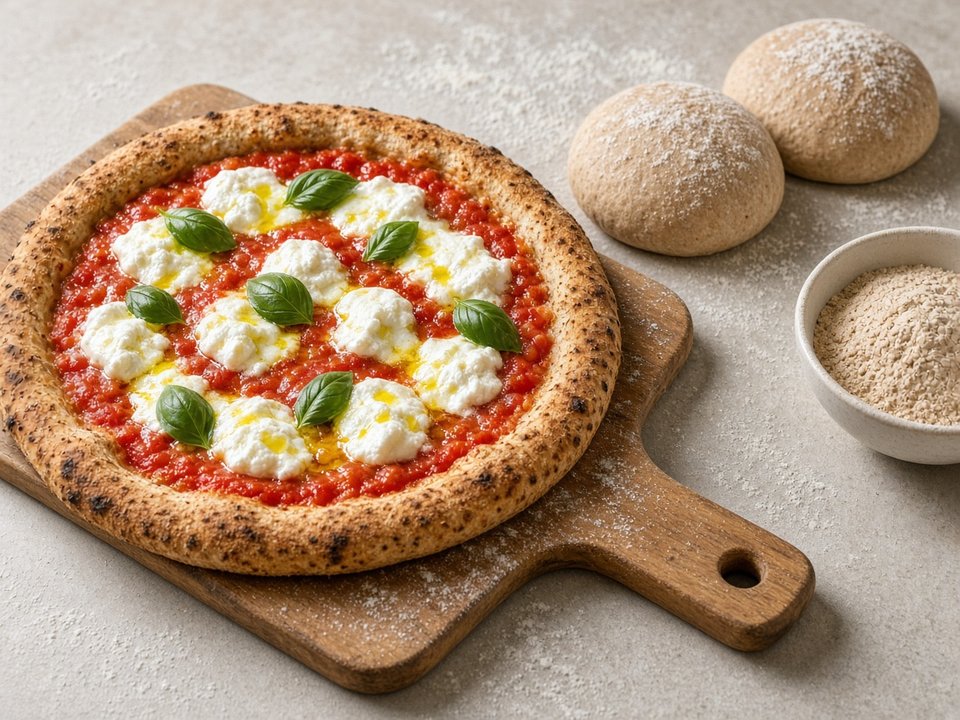
Illustration (AI-generated)
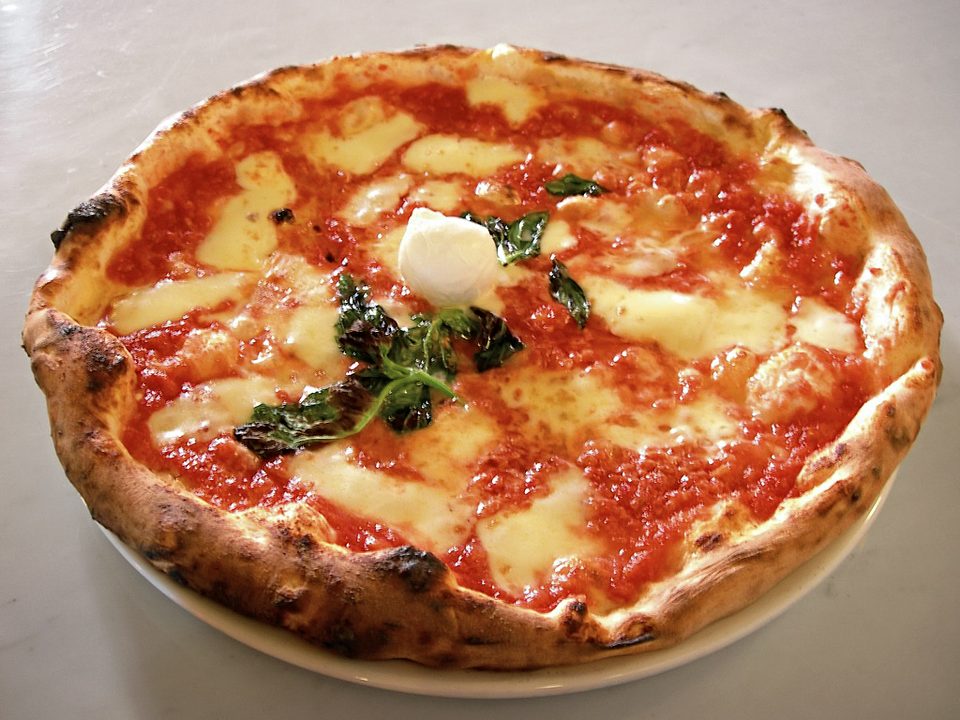
Photo: Valerio Capello at English Wikipedia, Wikimedia Commons, CC BY-SA 3.0 (cropped)


More for pizza night
A little historyWhere pizza comes from
Before Naples. People have baked flatbreads with something on top for thousands of years, but the word “pizza” is first recorded in a Latin document of 997 from Gaeta, a town on the coast between Rome and Naples.
Naples, 1700s–1800s. In 16th-century Naples, “pizza” was a flatbread sold as street food to the poor. By the late 18th century the poor of Naples were adding tomato, brought from the Americas, and the modern pizza began. In 1807 the city already had 54 pizzerias, according to records found by the historian Antonio Mattozzi; the first with tables to sit at, Port’Alba, opened in 1830. In 1849 Emmanuele Rocco, in Francesco De Bourcard’s book on Neapolitan customs, described pizzas with garlic and oil, with cheese, lard and basil, with small fish, slices of mozzarella or tomato, and folded into a calzone. The EU’s 2010 registration of Pizza Napoletana dates the Marinara to 1734 and the Margherita to 1796–1810.
The Margherita legend. Every pizzeria tells the story: in June 1889 Raffaele Esposito of the Pizzeria Brandi made pizzas for Queen Margherita of Savoy, and her favourite, topped with tomato, mozzarella and basil in the colours of the Italian flag, was named after her. Treat it as a legend. Tomato-and-mozzarella pizzas were being made long before 1889; the historian Zachary Nowak found no report of the royal pizza in the newspapers of the time, and the letter of thanks from the royal household that the pizzeria displays has been questioned. Both the story and the name were first promoted in the 1930s and 1940s.
To America. Italian immigrants took pizza to the United States. Lombardi’s in Manhattan is often called America’s first pizzeria, from 1905, but the pizza historian Peter Regas’s research suggests that Gennaro Lombardi may only have worked at the Spring Street pizzeria in 1905, owning it briefly in 1908 and again from about 1918. Its baker Anthony “Totonno” Pero left to open Totonno’s on Coney Island in 1924, and Frank Pepe opened in New Haven in 1925. Until the 1940s pizza was eaten mostly by Italian Americans; after the Second World War, veterans of the Italian campaign helped make it an all-American food.
New styles. American cities then made pizza their own: Chicago’s deep-dish pizza, created by Ike Sewell and Ric Riccardo at Pizzeria Uno in 1943; Detroit’s square pan pizza, developed by Gus and Anna Guerra at Buddy’s Rendezvous in 1946 in steel trays made for factory parts; and the big, thin New York slice.
Britain. In Britain, Peter Boizot opened the first PizzaExpress at 29 Wardour Street, Soho, in 1965, with an oven shipped from Italy; Pizza Hut opened its first UK restaurant in 1973. Today there are pizzerias run by Neapolitan-trained pizzaiuoli in most British towns.
Protecting the tradition. In Naples, the Associazione Verace Pizza Napoletana was founded in 1984 to set the rules for “true” Neapolitan pizza. In 2010 the EU registered Pizza Napoletana as a Traditional Speciality Guaranteed, and in 2017 UNESCO added the art of the Neapolitan pizzaiuolo to its list of the Intangible Cultural Heritage of Humanity.
Sources for the history
- Wikipedia: History of pizza (Gaeta 997; Naples; tomatoes; De Bourcard; post-war America)
- EUR-Lex: Commission Regulation (EU) No 97/2010, Pizza Napoletana (TSG): history, Marinara 1734, Margherita 1796–1810
- BBC News Magazine (2012): Pizza Margherita: the legend that won’t die? (archived copy)
- Zachary Nowak, “Folklore, Fakelore, History: Invented Tradition and the Origins of the Pizza Margherita”, Food, Culture & Society 17:1 (2014)
- Wikipedia: Pizza Margherita (the 1889 story and the doubts about it)
- Peter Regas, Pizza History Book: Lombardi’s and the first New York pizzerias
- Wikipedia: New York-style pizza (Lombardi’s, Totonno’s, the style)
- Wikipedia: Chicago-style pizza (Pizzeria Uno, 1943)
- Wikipedia: Detroit-style pizza (Buddy’s Rendezvous, 1946; steel trays)
- PizzaExpress: Peter Boizot and 29 Wardour Street (1965)
- Wikipedia: Pizza Hut (first UK restaurant, 1973)
- Associazione Verace Pizza Napoletana: International Regulations (Disciplinare), 2024 (PDF)
- UNESCO: Art of Neapolitan “Pizzaiuolo” (2017)
Neapolitan to DetroitPizza styles
| Style | What it is | At home |
|---|---|---|
| Neapolitan Naples | Soft and foldable, 22–35 cm across, with a puffy, leopard-spotted rim (the cornicione) 1–2 cm high and a centre only about 3 mm thick. Baked for 60–90 seconds in a wood-fired oven. | Our Pizza Dough, in a pizza oven or on a steel under the grill. |
| Roman (tonda romana) Rome | Round, with a thin, crisp base and a low rim: the style most sit-down pizzerias in Rome serve. Unlike Neapolitan dough, the dough contains olive oil, which makes it crisp (“scrocchiarella”, as Romans say). | Roll our dough (half 00, half strong) thinly and bake on a stone in a home oven. |
| Pizza al taglio (in teglia) Rome | Pizza “by the cut”: baked in large rectangular trays (teglie) and sold in rectangular or square slices by weight, priced by the kilo, to take away. | A wet dough (75–80% water) pressed into an oiled baking tray and baked at the oven’s highest setting. |
| Pizza bianca Rome | In Rome, a plain yeast flatbread, closer to focaccia than to a cheese-topped pizza, served hot and often split and filled with prosciutto, Parmesan or rocket. Italy declared Pizza Bianca Romana a traditional food product in 2019. Elsewhere “pizza bianca” means any pizza without tomato. | Dimple stretched dough, brush with oil, sprinkle with salt and bake. |
| Calzone and pizza fritta Naples | A calzone is a pizza folded into a half-moon around ricotta, salami and mozzarella and baked; in Naples a similar folded pizza is also deep-fried (pizza fritta). | Fill one half of a stretched base, fold, seal the edge and bake a little longer and cooler than a flat pizza. |
| Sicilian (sfincione) Sicily | Thick-crusted and usually rectangular. Palermo’s sfincione has more dough and sauce and less cheese than a Neapolitan pizza, with herbs, onion, tomato, anchovies and a strong cheese such as caciocavallo. In the US, a “Sicilian” is a thick, square slice. | Press dough into an oiled tray, leave it to rise for an hour or two, then top and bake. |
| New York New York | Large (about 45 cm / 18 in), thin pies cut into wide slices that fold in half, with a crisp but bendy crust, a cooked tomato sauce and grated low-moisture mozzarella, baked in gas deck ovens. | The New York-style variation on our Pizza Dough page, on a stone or steel. |
| Chicago deep dish Chicago | A tall, buttery, pie-like crust in a deep round pan, filled with cheese and fillings and topped with chunky tomato sauce, so it takes 30–45 minutes to bake. | Bake in an oiled cast-iron pan or deep cake tin at about 220°C (425°F). |
| Detroit Detroit | Rectangular and thick, with an open, chewy crumb and a crisp base, from a wet dough (70% water or more). Wisconsin brick cheese or mozzarella goes right to the edges of the heavy steel pan, where it caramelises into a crunchy crust, and the cooked tomato sauce is often added on top. | A heavy rectangular steel pan (or a well-oiled roasting tin) and a wet dough left to rise in the pan. |
| Pan pizza United States | A thick, golden pan-fried crust, soft inside, made famous by the chains and easy at home. | The pan pizza variation on our Pizza Dough page, in a cast-iron frying pan. |
Sources for the styles
- Associazione Verace Pizza Napoletana: International Regulations (Disciplinare), 2024 (PDF)
- Wikipedia: Roman pizza (pizza romana, al taglio)
- Wikipedia: Pizza al taglio
- Wikipedia: Pizza bianca
- Wikipedia: Sicilian pizza (sfincione)
- Wikipedia: New York-style pizza (Lombardi’s, Totonno’s, the style)
- Wikipedia: Chicago-style pizza (Pizzeria Uno, 1943)
- Wikipedia: Detroit-style pizza (Buddy’s Rendezvous, 1946; steel trays)
- Serious Eats, J. Kenji López-Alt: Foolproof Pan Pizza
Temperatures and timesOvens, and how to bake in each
The hotter the surface, the faster the bake and the lighter the crust. A Neapolitan pizza takes 60–90 seconds at over 400°C; a home oven tops out at 250–290°C, so a preheated stone or steel, which stores heat and passes it straight into the dough, makes the biggest difference.
| Oven | Temperature | Bake | How |
|---|---|---|---|
| Wood-fired oven | Floor 380–430°C (715–805°F), dome about 485°C (905°F) | 60–90 seconds | The classic. Light the fire well ahead and keep feeding it until the soot burns off the inside of the dome and the floor is hot all over, then push the fire to one side. Slide the pizza in near the fire and turn it every 20–30 seconds with a small turning peel, so the side facing the flames does not burn. Check the floor with an infrared thermometer. |
| Gas or multi-fuel pizza oven (Ooni, Gozney and others) | Up to about 500°C (950°F) in the air; stone 400–450°C (750–840°F) | 60–90 seconds | Heat for 20–30 minutes until the stone is at least 400°C. The flame cooks the top faster than the stone cooks the base, so turn the flame down as you launch the pizza if the top colours first, and turn the pizza every 20–30 seconds. Use a little semolina on the peel, never lots of flour, which burns. |
| Home oven with a pizza stone | The oven’s highest setting, usually 250–290°C (480–550°F, gas 9) | 6–8 minutes | Put a cordierite stone on a shelf near the top of the cold oven and heat it for 45–60 minutes at full power. Launch the pizza from a peel or an upturned baking tray. Never wet or oil a hot stone: it can crack. |
| Home oven with a pizza steel | As above | 4–6 minutes; about 4 minutes under the grill | A slab of steel stores and passes on heat faster than stone, so the base cooks and blisters in less time. For the most Neapolitan result in an ordinary kitchen, heat the steel near the top of the oven for 45–60 minutes, switch to the grill on high a few minutes before baking, and bake the pizza under it. |
| Cast-iron frying pan and grill | Hob on high, then a very hot grill | 5–6 minutes | For one pizza at a time without a stone. Heat a dry 26–30 cm cast-iron frying pan on the hob until very hot. Lay in the stretched base, top it quickly and cook for 2–3 minutes until the base is browned in spots, then put the pan under the hottest grill for 2–3 minutes until the rim puffs and the cheese melts. |
| Barbecue or griddle | Hot coals or a hot ridged griddle pan | 5–8 minutes | Cook the plain stretched base on the oiled bars or griddle for 2–3 minutes until marked underneath, flip it, add light toppings to the cooked side and cook with the barbecue lid down (or under a hot grill) until the base is crisp and the cheese melts. A pizza stone on a covered barbecue also works well. |
Sources for the oven temperatures and methods
- Associazione Verace Pizza Napoletana: International Regulations (Disciplinare), 2024 (PDF)
- Ooni: Koda 16 gas pizza oven (reaches 500°C / 950°F in about 20 minutes; pizza in 60 seconds)
- Gozney: Roccbox (500°C / 950°F)
- The Guardian, Felicity Cloake: How to cook the perfect pizza (stone heated for an hour at the highest setting)
- King Arthur Baking: Neapolitan-Style Pizza Crust (stone preheated for at least 30 minutes at 500–550°F)
- Serious Eats, J. Kenji López-Alt: The Pizza Lab: The Baking Steel delivers (steel v. stone; steel under the grill)
- The Guardian, Felicity Cloake: How to make perfect pan-fried pizza (2019)
- BBC Good Food, Jennifer Joyce: Basic pizza dough (barbecue and griddle method)
Worth buyingPizza kit
- Pizza stone
Cordierite stone for a home oven or barbecue: stores heat for a crisp base. Heat it for 45–60 minutes.
Unicook rectangular pizza stone, 38 × 30.5 cm, cordierite (Amazon.co.uk)
Old Stone round pizza stone, 16 in (Amazon.com) - Pizza steel
Faster and crisper than a stone in a home oven; heavy, and lasts for ever.
Chef Pomodoro pizza steel, 35.6 × 30.5 cm, 6 mm (Amazon.co.uk)
Baking Steel Original, 14 × 16 in (Amazon.com) - Launching peel
A thin aluminium peel to slide the pizza in and out. Perforated peels shed excess flour.
LKE aluminium pizza peel with folding wooden handle (Amazon.co.uk)
Ooni 14 in perforated pizza peel (Amazon.com) - Turning peel
A small round peel for turning pizzas in a pizza oven without taking them out.
Chef Pomodoro perforated turning peel, 23 cm (9 in) (Amazon.co.uk)
Chef Pomodoro 9 in aluminium turning peel (Amazon.com) - Portable pizza oven
Gas pizza ovens reach about 500°C (950°F) and bake a Neapolitan pizza in 60–90 seconds.
Ooni Koda 12 gas pizza oven (Amazon.co.uk)
Gozney Roccbox portable pizza oven, gas (Amazon.com) - Infrared thermometer
Point and read the temperature of a stone, steel or oven floor; pick one that reads to at least 500°C.
ERICKHILL infrared thermometer, −50 to 600°C (Amazon.co.uk)
Etekcity infrared thermometer, −58 to 1130°F (Amazon.com) - Digital scales
Weigh flour, water, salt and yeast to the gram: the single best way to make better dough.
Salter Arc digital kitchen scale, 3 kg (Amazon.co.uk)
OXO Good Grips 11 lb digital food scale (Amazon.com) - Dough scraper
For kneading sticky dough, dividing it and lifting dough balls without tearing them.
Vicloon 3-piece dough scraper set (Amazon.co.uk)
OXO Good Grips multi-purpose scraper (Amazon.com) - Dough proofing box
A lidded tray that holds 6–8 dough balls in the fridge without them drying out.
Chef Pomodoro pizza dough proofing box (Amazon.co.uk)
Pizza dough proofing box, 2 trays and covers (Amazon.com) - Pizza cutter
A sharp wheel cuts through the crust without dragging the toppings off.
OXO Good Grips pizza wheel, 4 in (Amazon.com)
- Cast-iron frying pan
For pan pizza and frying-pan-and-grill pizza.
Lodge cast-iron skillet, 26 cm (10.25 in) (Amazon.co.uk)
Lodge cast-iron skillet, 10.25 in (Amazon.com) - Detroit-style pan
The heavy, straight-sided steel pan that gives Detroit pizza its crunchy cheese edge.
Lloyd Pans Detroit-style pizza pan, 10 × 14 in (Amazon.com)
Our picks, checked on Amazon.co.uk and Amazon.com on 1 November 2026: well-rated, in stock when we looked. Prices and availability change. As an Amazon Associate Cookeryonline earns from qualifying purchases.
Margherita and friendsClassic toppings
- MargheritaTomato, fior di latte or buffalo mozzarella, fresh basil, a thread of extra virgin olive oil (and a little grated hard cheese, if you like). The AVPN’s amounts for one pizza: 60–80 g tomato, 80–100 g mozzarella and 6–7 g oil. That is all.
- MarinaraTomato, garlic, dried oregano and olive oil. No cheese. The oldest of the Neapolitan classics, and a good test of the dough.
- DiavolaTomato, mozzarella and spicy salami (salame piccante), sometimes with fresh chilli. The Italian answer to a pepperoni pizza. Careful when ordering in Italy: “peperoni” means sweet peppers.
- Quattro formaggiFour cheeses, with mozzarella and almost always Gorgonzola, then two more such as fontina, Parmesan or a soft cheese; with tomato (rossa) or without (bianca). Use small amounts of each: four cheeses melt into a lot of fat.
- CapricciosaTomato, mozzarella, cooked ham, mushrooms, artichokes and olives. Invented at La Capricciosa restaurant in Rome in 1937; also an AVPN classic.
- Quattro stagioniFour seasons in four quarters: artichokes, mushrooms, ham or salami, and olives, over tomato and mozzarella. An AVPN classic: a different topping on each quarter.
- Prosciutto e rucolaA Margherita topped after baking with thin slices of Parma ham and a handful of rocket. Add cured hams after baking: in the oven they turn hard and salty.
- CalzoneRicotta, salami, mozzarella, a little tomato, basil and black pepper, folded inside the dough. The AVPN calzone; seal the edges well and bake a little longer.
Less is moreTopping tips
- Less is moreA thin layer of sauce and a few toppings, with gaps between them. Overloaded pizzas go soggy in the middle and stick to the peel. Have everything ready before you stretch the dough, and top quickly.
- Tomato sauceFor Neapolitan pizza, do not cook the sauce: it cooks on the pizza. Crush tinned whole peeled plum tomatoes by hand (a blender breaks the seeds and makes it bitter) and add salt, about 1 g per 100 g. Passata is a fine shortcut. For New York-style and longer home-oven bakes, use a thick cooked sauce such as our Tomato Sauce – Italian Style.
- San Marzano tomatoesThe protected “Pomodoro San Marzano dell’Agro Sarnese-Nocerino” DOP is grown near Naples and has a sweet, low-acid flavour. Look for the DOP (PDO) mark: not every tin with San Marzano on the label is the protected product. Good Italian plum tomatoes work well too.
- Fior di latte or buffalo?Fior di latte is mozzarella made from cow’s milk: firmer and milder, and the everyday choice of most Neapolitan pizzerias. Mozzarella di Bufala Campana DOP, made from water-buffalo milk, is richer and much wetter. Both are allowed on a Margherita.
- Drain the mozzarellaTear it into pieces and leave in a sieve or on kitchen paper in the fridge for at least 30 minutes, ideally a few hours, or the whey floods the pizza. For a home oven or a New York-style pie, grated low-moisture (block) mozzarella melts without making the base wet.
- Basil, oil and the restPut basil on before baking for a softer, darker leaf, or after for bright green and fresh flavour. Drizzle oil over the top before it goes in. Cook watery or raw toppings (mushrooms, sausage, onions) first; add rocket, prosciutto, burrata and fresh herbs after baking.
Our Tomato Sauce – Italian Style makes a good cooked pizza sauce.
Sources for the toppings
All sources
- Wikipedia: History of pizza (Gaeta 997; Naples; tomatoes; De Bourcard; post-war America)
- EUR-Lex: Commission Regulation (EU) No 97/2010, Pizza Napoletana (TSG): history, Marinara 1734, Margherita 1796–1810
- BBC News Magazine (2012): Pizza Margherita: the legend that won’t die? (archived copy)
- Zachary Nowak, “Folklore, Fakelore, History: Invented Tradition and the Origins of the Pizza Margherita”, Food, Culture & Society 17:1 (2014)
- Wikipedia: Pizza Margherita (the 1889 story and the doubts about it)
- Peter Regas, Pizza History Book: Lombardi’s and the first New York pizzerias
- Wikipedia: New York-style pizza (Lombardi’s, Totonno’s, the style)
- Wikipedia: Chicago-style pizza (Pizzeria Uno, 1943)
- Wikipedia: Detroit-style pizza (Buddy’s Rendezvous, 1946; steel trays)
- PizzaExpress: Peter Boizot and 29 Wardour Street (1965)
- Wikipedia: Pizza Hut (first UK restaurant, 1973)
- Associazione Verace Pizza Napoletana: International Regulations (Disciplinare), 2024 (PDF)
- UNESCO: Art of Neapolitan “Pizzaiuolo” (2017)
- Wikipedia: Roman pizza (pizza romana, al taglio)
- Wikipedia: Pizza al taglio
- Wikipedia: Pizza bianca
- Wikipedia: Sicilian pizza (sfincione)
- Serious Eats, J. Kenji López-Alt: Foolproof Pan Pizza
- Wikipedia: Calzone
- Ooni: Koda 16 gas pizza oven (reaches 500°C / 950°F in about 20 minutes; pizza in 60 seconds)
- Gozney: Roccbox (500°C / 950°F)
- The Guardian, Felicity Cloake: How to cook the perfect pizza (stone heated for an hour at the highest setting)
- King Arthur Baking: Neapolitan-Style Pizza Crust (stone preheated for at least 30 minutes at 500–550°F)
- Serious Eats, J. Kenji López-Alt: The Pizza Lab: The Baking Steel delivers (steel v. stone; steel under the grill)
- The Guardian, Felicity Cloake: How to make perfect pan-fried pizza (2019)
- BBC Good Food, Jennifer Joyce: Basic pizza dough (barbecue and griddle method)
- Wikipedia: Pizza marinara
- Wikipedia: Pizza quattro formaggi
- Wikipedia: Pizza capricciosa (La Capricciosa, Rome)
- Wikipedia: San Marzano tomato (DOP; imitations)
- Wikipedia: Mozzarella di Bufala Campana (DOP)
New guide, 1 November 2026. History checked against the sources listed; kit checked on Amazon on 1 November 2026. Illustrations are AI-generated.