

Ingredient guide
Rice
Which rice for risotto, and how do the varieties differ in texture and taste? Here are the eight Italian risotto rices side by side, then every other rice in the cupboard, how much water each one needs, a short history and how to keep leftovers safe.
- Oryza sativa
- 8 risotto rices compared
- 11 other types
- Water ratios
- FSA safety advice

- Carnarolirisotto, Italy
- Basmatilong and slim
- Venereblack, Piedmont
Almost all the rice we eat is one species, Oryza sativa, in two big families. Indica rices are generally long grain; Japonica rices are medium or short grain. The risotto rices, sushi rice and Spanish paella rice are Japonica. [27,29]
What makes one rice fluffy and another creamy or sticky is mostly its starch. Starch comes in two kinds: amylose (long, straight chains) and amylopectin (branched and sticky). Ordinary rice is roughly 10–30% amylose; the more amylose, the firmer and more separate the cooked grains. Glutinous (sticky) rice is almost pure amylopectin. [32,12]
Risotto rices in depthRisotto rice: the eight varieties
Risotto needs a medium or long Japonica rice that releases starch from its surface while the centre stays firm. Italian law sorts these rices by grain size into groups (the old words superfino, semifino and fino described size and shape, not quality). Here are the eight you are most likely to meet, from the supermarket shelf to the delicatessen.
The grains, drawn to scale (husked grain, mm)
- Carnaroli6.9 × 3.2 mm, length/width 2.2
- Arborio7.4 × 3.6 mm, length/width 2.0
- Vialone Nano6.0 × 3.6 mm, length/width 1.7
- Baldo7.3 × 3.3 mm, length/width 2.2
- Roma7.1 × 3.2 mm, length/width 2.2
- Sant’Andrea6.6 × 3.2 mm, length/width 2.1
- Maratelli5.6 × 3.1 mm, length/width 1.8
Grain sizes from the RisoItaliano variety cards [1,2,3,4,5,6,7]. Scale bar: 8 mm. Aged Carnaroli is Carnaroli.
Carnaroli
“The king of rices”- Group
- Long A (lungo A)
- Grain
- 6.9 × 3.2 mm; long, slightly tapered, big pearly centre [2]
- Starch
- high (grower’s card); 20.6 g/100 g in the lab [2,12,13]
- Texture
- Firm and creamy at once: the creaminess comes from the surface starch while the grain stays whole. Low stickiness in the lab. [12,2,27]
- Holds shape
- Very well: the best-known risotto rice for holding its shape in cooking. [2,23,26]
- Flavour
- Not aromatic. A clean, neutral rice that tastes of the stock, butter and Parmesan you cook it with. [2]
- Best for
- Any risotto, from alla milanese to mushroom: the first choice of many Italian cooks, and a forgiving rice for your first risotto. [27,23]
- Stock
- About 3½–4 × its weight. It cooks a little longer than Arborio (about 18 minutes from the first ladle), so it usually takes a little more. [26]
- Grown
- Mostly Pavia (Lombardy), also Novara and Vercelli (Piedmont). On the variety lists of the Baraggia PDO and the Delta del Po PGI. [23,9,2,18,19]
Bred in 1945 by Achille De Vecchi at Paullo, near Milan, from Vialone × Lencino. Sources differ on the name: RisoItaliano says it comes from the surname of one of De Vecchi’s water-keepers; Wikipedia says Professor Emiliano Carnaroli of the Ente Nazionale Risi. [2,23]
Arborio
The one in every shop- Group
- Long A (lungo A)
- Grain
- 7.4 × 3.6 mm; the biggest grain: plump, semi-round, wide pearly centre [1]
- Starch
- low (grower’s card); 15.3 g/100 g in the lab [1,12,13]
- Texture
- The creamiest and softest of the common risotto rices: low amylose means plenty of soft, sticky starch. Turns mushy if overcooked. [12,26]
- Holds shape
- Fairly well thanks to its size, but less than Carnaroli or Vialone Nano. Stop when it still has a little bite. [1,26]
- Flavour
- Not aromatic. A mild, starchy taste that blends with whatever you cook it with. [1,24]
- Best for
- Everyday risotto, antipasti, timballi, rice salads, side dishes and one-pot dishes. Italian growers advise against it for desserts because the grain is so big, though it is widely used for rice pudding elsewhere. [1,24]
- Stock
- About 3½–4 × its weight. Usually ready a minute or two before Carnaroli, so it often needs a little less. [26]
- Grown
- Mostly Pavia (Lombardy). Named after the village of Arborio near Vercelli (Piedmont). On the Baraggia PDO and Delta del Po PGI lists. [9,1,18,19]
Bred in 1946 by Domenico Marchetti from Vialone × Lady Wright. Most rice sold as “Arborio” in Italy today is a similar variety sold under that name (see buying, below). [1,9]
Vialone Nano
The Veneto’s rice- Group
- Medium (medio; once called semifino)
- Grain
- 6.0 × 3.6 mm; short, round and chunky, wide pearly centre [3]
- Starch
- high (grower’s card); 22.4 g/100 g in the lab, the highest of the risotto rices tested [3,12,13]
- Texture
- Creamy and very absorbent, but each grain stays firm: high amylose with a big pearly centre. [3,25,15]
- Holds shape
- Very well, despite the small grain. [3,15]
- Flavour
- A delicate but distinctive aroma, says the PGI description; it soaks up the flavour of the stock. [15]
- Best for
- Venetian risotto served all’onda (loose and wavy, so it spreads on the plate): seafood, fish and vegetable risotti. It suits delicate flavours. [16,17]
- Stock
- Very absorbent, and the all’onda style is looser, so keep a ladle or two of hot stock in hand at the end. It is the quickest to cook: start tasting early. [25,12,3]
- Grown
- The Veneto: the Riso Nano Vialone Veronese PGI covers 24 municipalities on the plain south of Verona (the Bassa Veronese). Also grown around Mantua (Lombardy). [15,3,9]
A cross of Nano × Vialone, bred in 1937 at the rice research station in Vercelli and introduced to Verona in 1945. In 1996 it became the first rice in Europe with a PGI. [3,15]
Baldo
Piedmont’s everyday risotto rice- Group
- Long A (sold as “Roma o Baldo”)
- Grain
- 7.3 × 3.3 mm; long, slightly tapered, glassy (little or no pearl) [4]
- Starch
- low (grower’s card); 17.9 g/100 g in the lab [4,12,13]
- Texture
- Soft and sticky: in the lab it was one of the stickiest risotto rices, so it gives a creamy, compact risotto. [12]
- Holds shape
- Moderately. Watch the timing. [12]
- Flavour
- Not aromatic; mild. [4]
- Best for
- Traditionally used for risotto, above all in Piedmont; also good in rice salads. Growers do not recommend it for desserts. [4]
- Stock
- About 3½–4 × its weight; no separate figure is published. [26]
- Grown
- Piedmont and Lombardy (most “Roma o Baldo” rice is grown in Pavia). On the Baraggia PDO and Delta del Po PGI lists. [9,4,18,19]
Bred in 1964 at the Vercelli rice research station (Ente Nazionale Risi) from Arborio × Stirpe 136. By law it shares a sales name with Roma: “Riso Roma o Riso Baldo”. [4,9]
Roma
Big, quick and absorbent- Group
- Long A (sold as “Roma o Baldo”)
- Grain
- 7.1 × 3.2 mm; long, slightly tapered, pearly [5]
- Starch
- low (grower’s card); not in the lab study [5]
- Texture
- Releases a lot of starch, so it makes a creamy risotto; it soaks up the other ingredients well. [5,27]
- Holds shape
- No lab figures. It cooks quickly, so start tasting early. [5,27]
- Flavour
- Not aromatic; mild. [5]
- Best for
- Creamy risotti, plain rice with butter or sauce, sformati and timballi; the Rice Association adds sauces and puddings. [5,27]
- Stock
- About 3½–4 × its weight; it has a slightly shorter cooking time than the classic risotto rices. [27,5,26]
- Grown
- Piedmont and Lombardy, mostly Pavia (sold under the shared name “Roma o Baldo”). [9]
Bred in 1962 at the Vercelli rice research station from Balilla × R 77. It differs from Baldo mainly in its pearly (not glassy) grain. [5]
Sant’Andrea
Vercelli’s soup and panissa rice- Group
- Long A (sold as “S. Andrea”)
- Grain
- 6.6 × 3.2 mm; long, slightly tapered, small pearl [6]
- Starch
- low (grower’s card); 16.5 g/100 g in the lab [6,12,13]
- Texture
- The softest and stickiest of the five risotto rices measured in the lab: very starchy, so it gives a rich, well-bound (mantecato) risotto. [12,6]
- Holds shape
- Less well: the grain stays soft. A miller says it is a good compromise between holding and soaking up flavour. [12,14]
- Flavour
- Not aromatic; mild, and it takes up the flavour of the sauce. [6,14]
- Best for
- Soups and minestrone, rich creamy risotti and the Piedmontese panissa and riso e fagioli (rice and beans). [6]
- Stock
- About 3½–4 × its weight. One miller gives 14–16 minutes’ cooking. [14,26]
- Grown
- The Vercelli area of Piedmont (it suits the cold Baraggia; on the Baraggia PDO list). [9,6]
Selected by the Ente Nazionale Risi from the older Rizzotto variety in 1968; registered in 1974. [6]
Maratelli
The heritage risotto rice- Group
- Medium (medio)
- Grain
- 5.6 × 3.1 mm; short and round, pearly [7]
- Starch
- low (grower’s card); not in the lab study [7]
- Texture
- A traditional, round-grained risotto rice. Little measured data is published for it. [7,22]
- Holds shape
- No lab figures. Wikipedia counts it, with Carnaroli and Vialone Nano, among the best (and dearest) risotto rices. [22]
- Flavour
- Not aromatic. [7]
- Best for
- Classic risotti: Gualtiero Marchesi used it for his famous 1981 saffron risotto with gold leaf, “Oro e zafferano”. Also soups and the Vercelli panissa. [7]
- Stock
- About 3½–4 × its weight; no separate figure is published. [26]
- Grown
- Piedmont (Vercelli). A rare conservation variety today: look for small growers. [7]
Found in 1914 by Mario Maratelli at Asigliano Vercellese, a natural mutation in a field of Chinese Originario; one of Italy’s most grown rices until the 1970s. It is on Slow Food’s Ark of Taste. [7,22]
Aged Carnaroli
e.g. Acquerello- Group
- Carnaroli, aged before milling
- Grain
- as Carnaroli; very long-aged rice is darker and bigger [21]
- Starch
- as Carnaroli [20]
- Texture
- The makers say ageing stabilises the starch so less of it escapes in cooking: firmer, more separate grains that still make a creamy risotto. [20,21]
- Holds shape
- The maker says long ageing lets the grains hold their texture. [21]
- Flavour
- The producer says ageing enhances the flavour and helps each grain take up the seasoning. These are the maker’s claims; we found no independent tasting. [20]
- Best for
- Special-occasion and restaurant risotti, where you want the grains distinct. [20]
- Stock
- Allow a little more. Acquerello says its 7-year rice takes a few more minutes and absorbs more liquid. [21]
- Grown
- Acquerello: Tenuta Colombara, Livorno Ferraris (Vercelli, Piedmont), which grows, ages, mills and packs it. [20,21]
Piero Rondolino started Acquerello in 1991: unhusked Carnaroli aged at least a year in temperature-controlled silos below 15 °C (a small share for 7 years or more), polished with an old-fashioned “helix” and given back its germ by a patented process. [21,20]
Side by sideRisotto rices compared
| Rice | Grain (mm) | Amylose (lab, g/100 g) | Firmness (lab, kg/cm²) | Stickiness (lab, g·cm) | Holds its shape | Flavour | Best for | Stock (approx) | Grown in |
|---|---|---|---|---|---|---|---|---|---|
| Carnaroli“The king of rices” | 6.9 × 3.2 | 20.6 (high on the grower’s card) | 1.11 | 0.93 | Very well | Not aromatic | Any risotto, from alla milanese to mushroom | About 3½–4 × its weight | Mostly Pavia (Lombardy), also Novara and Vercelli (Piedmont) |
| ArborioThe one in every shop | 7.4 × 3.6 | 15.3 (low on the grower’s card) | 0.82 | 3.14 | Fairly well thanks to its size, but less than Carnaroli or Vialone Nano | Not aromatic | Everyday risotto, antipasti, timballi, rice salads, side dishes and one-pot dishes | About 3½–4 × its weight | Mostly Pavia (Lombardy) |
| Vialone NanoThe Veneto’s rice | 6.0 × 3.6 | 22.4 (high on the grower’s card) | 1.10 | 0.91 | Very well, despite the small grain | A delicate but distinctive aroma, says the PGI description | Venetian risotto served all’onda (loose and wavy, so it spreads on the plate) | Very absorbent, and the all’onda style is looser, so keep a ladle or two of hot stock in hand at the end | The Veneto |
| BaldoPiedmont’s everyday risotto rice | 7.3 × 3.3 | 17.9 (low on the grower’s card) | 0.86 | 3.87 | Moderately | Not aromatic | Traditionally used for risotto, above all in Piedmont | About 3½–4 × its weight | Piedmont and Lombardy (most “Roma o Baldo” rice is grown in Pavia) |
| RomaBig, quick and absorbent | 7.1 × 3.2 | low (grower’s card) | not tested | not tested | No lab figures | Not aromatic | Creamy risotti, plain rice with butter or sauce, sformati and timballi | About 3½–4 × its weight | Piedmont and Lombardy, mostly Pavia (sold under the shared name “Roma o Baldo”) |
| Sant’AndreaVercelli’s soup and panissa rice | 6.6 × 3.2 | 16.5 (low on the grower’s card) | 0.75 | 4.43 | Less well | Not aromatic | Soups and minestrone, rich creamy risotti and the Piedmontese panissa and riso e fagioli (rice and beans) | About 3½–4 × its weight | The Vercelli area of Piedmont (it suits the cold Baraggia |
| MaratelliThe heritage risotto rice | 5.6 × 3.1 | low (grower’s card) | not tested | not tested | No lab figures | Not aromatic | Classic risotti | About 3½–4 × its weight | Piedmont (Vercelli) |
| Aged Carnarolie.g. Acquerello | 6.9 × 3.2 (as Carnaroli) | as Carnaroli | not tested | not tested | The maker says long ageing lets the grains hold their texture | The producer says ageing enhances the flavour and helps each grain take up the seasoning | Special-occasion and restaurant risotti, where you want the grains distinct | Allow a little more | Acquerello |
Lab columns: Ente Nazionale Risi [12]; stock: our risotto notes [26]; everything else from the cards above. Scroll the table sideways on a phone.
Why they behave differentlyStarch, creaminess and bite
Amyloseg per 100 g; dashed line = low/medium boundary (19)
Stickinesscooked rice, g·cm: higher = creamier
Firmnesscooked rice, kg/cm²: higher = firmer
Cooking timecalculated by the lab, minutes
Lab figures: Ente Nazionale Risi’s laboratory measured amylose (g per 100 g), hardness and stickiness of cooked rice and worked out a cooking time. Its bands: low amylose 10–19, medium 20–24. The growers’ variety cards call Carnaroli and Vialone Nano “high” and the rest “low”. A miller’s own figures are close (Arborio 17.3, Baldo 16.8, Sant’Andrea 18.3, Carnaroli 22.1, Vialone Nano 22.8). One UK trade page calls Arborio and Sant’Andrea high-amylose; the Italian lab data say low, and we follow the lab. Roma and Maratelli were not in the study. [12,9,13,27]
On the packetBuying Italian rice: reading the label
- The name on the box is a group, not always a varietySince Decree 131 of 2017, a pack sold in Italy as “Carnaroli” may hold Carnaroli itself or a similar registered variety in the same group; in 2024 more “Carnaroli”-group rice was grown from the variety Leonidas CL than from Carnaroli. The same goes for Arborio (mostly CL 388), Roma o Baldo, Sant’Andrea and Vialone Nano. [10,9,11]
- Look for “classico”Only rice that really is the named old variety may be sold as, for example, “Carnaroli classico” or “Vialone Nano classico”: a Karnak, say, may be sold as Carnaroli but never as Carnaroli classico. Mixing varieties is banned for these names. [10,11]
- Protected originsThree Italian rice names are protected by origin: Riso Nano Vialone Veronese PGI (1996), Riso di Baraggia Biellese e Vercellese PDO (2007) and Riso del Delta del Po PGI (2009). [15,18,19]
- Outside ItalyThe Italian naming law does not cover rice exported from Italy, so on a UK shelf the variety name is the maker’s word. Buy from a producer that names the variety and the farm or region. [10]
Rice typesEvery other rice in the cupboard
Indica Long grain (regular and easy cook)
TasteA subtle flavour that goes with rich and delicate sauces. Easy cook (parboiled) rice is steamed before milling: a slightly fuller flavour and very hard to overcook.
TextureSlim grains, 4–5 times as long as wide, that cook up separate and fluffy.
Use it forSide dishes, Chinese-style dishes, kedgeree, rice salads (easy cook is especially good for salads).
- RinseYes, until the water runs clear.
- SoakNo need.
- Water1 : 1½–2 by volume (see the ratios table).
On Cookeryonline: Pilaff Rice, Kedgeree, Chicken and Chorizo Jambalaya
Aromatic long grain Basmati
TasteFragrant: basmati naturally holds about 12 times as much of the aroma compound 2-acetyl-1-pyrroline as ordinary rice, a pandan or popcorn smell.
TextureVery long, slender grains that stay separate and fluffy.
Use it forIndian and Pakistani dishes, pilau, biryani, kheer; often cooked with whole spices.
- RinseYes, until the water runs clear.
- SoakOptional: 30 minutes shortens cooking by about a fifth and keeps more aroma.
- Water2 : 1 water to rice by weight (absorption).
Grown in the Himalayan foothills of India and Pakistan. In 2005 the Food Standards Agency found that about half the basmati on sale in Britain was mixed with other long-grain rice, which led importers to agree a code of practice.
On Cookeryonline: Basmati Rice Pilaf with Indian Spices and Raita, Chicken Biryani, Coconut Rice Pudding (Kheer)
Aromatic long grain Jasmine (Thai hom mali)
TasteFloral and slightly sweet; the aroma is milder than basmati and fades with age, so “new crop” rice is prized.
TextureSoft, moist and a little sticky: the grains cling together, unlike basmati.
Use it forThai, Vietnamese, Chinese and South-East Asian food: curries, stir-fries.
- RinseYes, until the water runs clear.
- SoakNo.
- Water2 : 1 water to rice by weight; 12 minutes covered, rest 3.
Round grain Short-grain pudding rice
TasteMild and milky once cooked in milk.
TextureAlmost round grains that turn soft, moist and creamy.
Use it forRice pudding and other milk puddings; Italian “originario” round rice is used for soups, oven dishes and rice cakes too.
- RinseNo: the starch makes the pudding creamy.
- SoakNo.
- WaterLots of milk: our Rice Pudding uses 100 g rice to 500 ml milk (1 : 5 by weight).
On Cookeryonline: Rice Pudding, Rose scented - Baked Rice Pudding
Japonica Sushi rice (Japanese short grain)
TasteMildly sweet; seasoned after cooking with rice vinegar, sugar and salt (sushi-su).
TextureRound, thick grains, clingy, moist and firm: stickier than Indica rice because of more amylopectin. Koshihikari is a famous variety.
Use it forSushi and Japanese meals.
- RinseYes, thoroughly: about 4 minutes, turning it gently, until the water runs clear.
- Soak30 minutes to 1 hour in the measured cooking water.
- WaterAbout 1.2 : 1 water to rice by weight (450 g rice, 540 ml water).
Spanish short to medium grain Bomba and Calasparra (paella rice)
TasteMild: it soaks up the stock, saffron and pan juices.
TextureRound and pearly, yet not sticky (relatively high amylose). It can absorb 2–3 times its volume of liquid without bursting, swelling in width rather than length.
Use it forPaella and other Valencian rice dishes, soupy rices. Most paella cooks use Bomba; Senia is also used around Valencia.
- RinseNo.
- SoakNo.
- WaterAbout 3 : 1 liquid to rice by volume; check the pack.
Grown mainly around Valencia and the Ebro delta. Calasparra (Murcia) has had a Denominación de Origen since 1986 (EU PDO 1996); it ripens slowly and is very absorbent.
On Cookeryonline: Paella
Waxy rice Glutinous (sticky) rice
TasteMild; served with sweet or savoury toppings and fillings.
TextureOpaque grains that cook very sticky and chewy: almost 100% amylopectin, with next to no amylose. “Glutinous” means glue-like; it contains no gluten.
Use it forThai and Lao sticky rice, mochi, zongzi, lo mai gai, sweet sticky rice with coconut.
- RinseYes, after soaking, until the water is mostly clear.
- SoakAt least 4 hours or overnight (at least 2 hours in hot water).
- WaterNo measuring: it is steamed, not boiled, about 20 minutes in a cloth-lined steamer, turned halfway.
Zizania, not true rice Wild rice
TasteA slightly vegetal taste; the outer sheath is chewy and the inside tender.
TextureLong, dark, chewy grains that split open when cooked.
Use it forSoups and casseroles, or mixed with long-grain or brown rice. Cooked wild rice freezes well.
- RinseA rinse does no harm.
- SoakNo.
- Water1 : 3 by volume; simmer 30–45 minutes until the grains puff open, then drain (hand-parched wild rice cooks in 15–20 minutes).
The four Zizania species are North American (and Chinese) grasses in the same tribe as rice, not Oryza.
Any rice with its bran Brown (wholegrain) rice
TasteDistinctly nutty.
TextureGrains stay separate but take longer to soften, with a chewy bite. Only the husk is removed, so it keeps its bran and germ (and more fibre, vitamins and minerals).
Use it forAnywhere you would use white long grain, if you like the bite; salads and bowls.
- RinseYes.
- Soak30 minutes helps it cook faster.
- WaterAbout 2½ : 1 by volume; 35–50 minutes.
Keeps about 6 months (the bran oil goes stale), longer in the fridge or freezer. Cooking any rice in plenty of water and draining it lowers its inorganic arsenic by 40–60%, though it loses some nutrients too.
Wholegrain red rice Camargue red rice
TasteAn intense, nutty flavour.
TextureNaturally chewy; the bran is brownish-red.
Use it forSalads and side dishes: anywhere you would use brown rice.
- RinseYes.
- Soak30 minutes helps.
- WaterAs brown rice: about 2½ : 1 by volume, around 40 minutes (check the pack).
Born in the Camargue wetlands of southern France when white rice crossed with wild red rice, by the 1980s. Riz de Camargue has been a protected PGI since 2000.
Wholegrain, anthocyanin-rich Black rice (Venere and others)
TasteNutty, like brown rice; Italy’s Venere is aromatic and smells of freshly baked bread as it cooks.
TextureFirm and chewy; black when raw, deep purple when cooked (anthocyanin pigments).
Use it forCold in salads or sautéed in a pan with other ingredients; also porridge, desserts and Chinese black rice cakes.
- RinseYes.
- SoakOptional.
- WaterAs brown rice (it is sold wholegrain); its growers suggest the pilaf method or a pressure cooker.
Venere, Italy’s first black rice, was bred in 1997 at Vercelli by Sa.Pi.Se. from a cross of an Asian black rice and an Italian white one, and is grown in Piedmont and Sardinia.
How much water?Water ratios at a glance
| Rice | Rinse? | Soak | Liquid | Time | Source |
|---|---|---|---|---|---|
| Long grain, white | Yes | – | 1½–2 cups water per cup of rice (75 g rice ≈ 150 ml water) | 10–12 min covered + 5 min rest | [44] |
| Basmati | Yes | 30 min (optional) | 2 : 1 by weight (120 g rice, 240 ml water) | 10–12 min + 3 min rest | [42,30] |
| Jasmine | Yes | – | 2 : 1 by weight (120 g rice, 240 ml water) | 12 min + 3 min rest | [43] |
| Sushi rice | Yes, well | 30–60 min | 1.2 : 1 by weight (450 g rice, 540 ml water) | 8–9 min + 5–10 min rest | [45] |
| Risotto rice | No | – | About 3½–4 × the rice’s weight in hot stock, added gradually (approx) | 16–18 min from the first ladle | [26,22] |
| Bomba / Calasparra | No | – | About 3 : 1 by volume (it absorbs 2–3 × its volume) | Follow the recipe | [27,38] |
| Pudding rice | No | – | Lots of milk: our Rice Pudding uses 100 g to 500 ml | Slow: hob or oven | [27,44] |
| Glutinous | Yes | 4 h–overnight | Steamed, not boiled | ≈ 20 min steaming | [46] |
| Brown / red | Yes | 30 min helps | About 2½ : 1 by volume | 35–50 min | [44,47,34] |
| Wild rice | Optional | – | 3 : 1 by volume, then drain | 30–45 min | [47] |
Brands and cooks differ: our Ask Chef Col answer uses 1 cup rice to 1½ cups water for firmer long-grain rice, Kikkoman and Tilda use 2. Always check the pack, and measure rice and water in the same cup or jug.
HistoryA short, sourced history of rice
- About 9,000 years ago
Asian rice, Oryza sativa, is first domesticated in the Yangtze River basin in China, according to the current archaeological and linguistic consensus. [48]
- About 3,000 years ago
African rice, Oryza glaberrima, is domesticated separately, around the Niger delta. [48]
- 1st century AD
Rome knows rice as an import from Egypt and the East; large deposits of it are found in Roman army camps in Germany. [48]
- 8th–10th centuries
The Umayyads bring rice to Spain, and Arab farmers in al-Andalus grow it; it may have reached Sicily in the 9th century. By the 15th century rice is a staple around Valencia. [48,41]
- About 1390
In England, Richard II’s cooks write down “Ryse of Flesh” in The Forme of Cury: “Take Ryse and waishe hem clene. and do hem in erthen pot with gode broth” (sic), finished with almond milk and coloured with saffron: rice, broth and saffron, four centuries before risotto alla milanese. [49]
- 1468–1475
Rice is recorded on the plain of Pisa (1468) and in Lombardy. Galeazzo Maria Sforza, Duke of Milan, is growing it near Vigevano by 1472, and on 27 September 1475 he promises 12 sacks of seed rice to Ercole I d’Este of Ferrara: the conventional start of Po valley rice. [48,50,51]
- 16th century
Lombard families bring rice to the marshes south of Verona; in 1545 the Venetian Senate appoints officials to drain them and license rice mills. Veronese rice is sold at the Rialto in Venice. [15]
- 1809
The first recipe recognisably like risotto alla milanese is printed, as “riso giallo in padella” (yellow rice in the pan): rice fried in butter with cervellata sausage, bone marrow and onion, then cooked with saffron stock added a little at a time. [52,53]
- 1829
Giovanni Felice Luraschi’s Nuovo cuoco milanese economico calls it “risotto alla milanese giallo”. [53]
- 1914
Maratelli is found at Asigliano Vercellese, the first of the modern risotto rices. [7,22]
- 1937–1946
Vialone Nano (1937), Carnaroli (1945) and Arborio (1946) are bred in Piedmont and Lombardy. [3,2,1]
- 1960s
Roma (1962), Baldo (1964) and Sant’Andrea (1968) follow from the Vercelli research station and the Ente Nazionale Risi. [5,4,6]
- 1980s
Camargue red rice appears in France from a natural cross; Gualtiero Marchesi makes his gold-leaf saffron risotto with Maratelli (1981). [36,7]
- 1986–1996
Calasparra gets its Spanish Denominación de Origen (1986); Acquerello aged Carnaroli is launched (1991); Riso Nano Vialone Veronese becomes Europe’s first rice PGI (1996). [39,21,15]
- 1997–2009
Venere black rice is bred at Vercelli (1997); Riz de Camargue (2000), Riso di Baraggia (2007) and Riso del Delta del Po (2009) gain EU protection. [8,37,18,19]
- 2017
Italy’s Decree 131 replaces the 1958 rice law and creates the “classico” label for the pure old varieties. [10,11]
LegendLegend, not history: the story that saffron risotto was invented at a Milan wedding in 1574 by a glazier’s apprentice nicknamed “Zafferano”. The Corriere della Sera calls it a legend; see the full story on our Risotto page. [52]
In the kitchenCooking tips
- Rinse or not?
Rinse long-grain, basmati, jasmine and sushi rice until the water runs clear: it washes off loose surface starch, so the grains stay separate. Never rinse risotto, paella or pudding rice: that starch is what makes them creamy. [42,45,44,22]
- Soak the ones that like it
Basmati 30 minutes (optional), sushi rice 30–60 minutes, glutinous rice 4 hours or more, brown and red rice 30 minutes to save time. [30,45,46,44]
- Measure by the same cup
For the absorption method, measure rice and water in the same cup or jug, bring to the boil, cover, turn the heat right down and leave the lid on. [44,42]
- Don’t stir long-grain rice
Stirring while it boils rubs off starch and makes it sticky. (Risotto is the opposite: you stir to release the starch.) [44,22]
- Rest it
Leave cooked rice covered off the heat for 3–5 minutes, or under a clean tea towel, then fluff it with a fork. [42,44]
- How much per person
Allow 50–75 g uncooked rice per person as a side; less in a dish with lots of other ingredients. [44]
- Risotto
Hot stock, a 2–3 minute tostatura, wine, a ladle at a time, all’onda, then the mantecatura off the heat: see our step-by-step tips. [26]
Bacillus cereusFood safety: cooked rice
Cooked rice can make you ill if it is kept warm or cooled slowly. Follow the UK Food Standards Agency and NHS advice:
- Why rice is specialUncooked rice can carry spores of Bacillus cereus, and the spores survive cooking. If cooked rice is left at room temperature they grow and make toxins that reheating will not destroy. It is not the reheating that causes the problem but how the rice was kept before. [54,56]
- Cool it fastChill leftover rice as quickly as possible, ideally within 1 hour: divide it into small portions or spread it on a clean shallow tray. Don’t leave it to cool in the pan, steamer or rice cooker. [54,56,55]
- Fridge, then 24 hoursKeep it covered in the fridge and eat it within 24 hours. Cold rice is fine to eat if it was cooled quickly. [54,55]
- Reheat once, steaming hotNever reheat rice more than once, and make sure it is steaming hot all the way through. Take extra care with takeaway rice. [54,55]
Cook itRice recipes on Cookeryonline
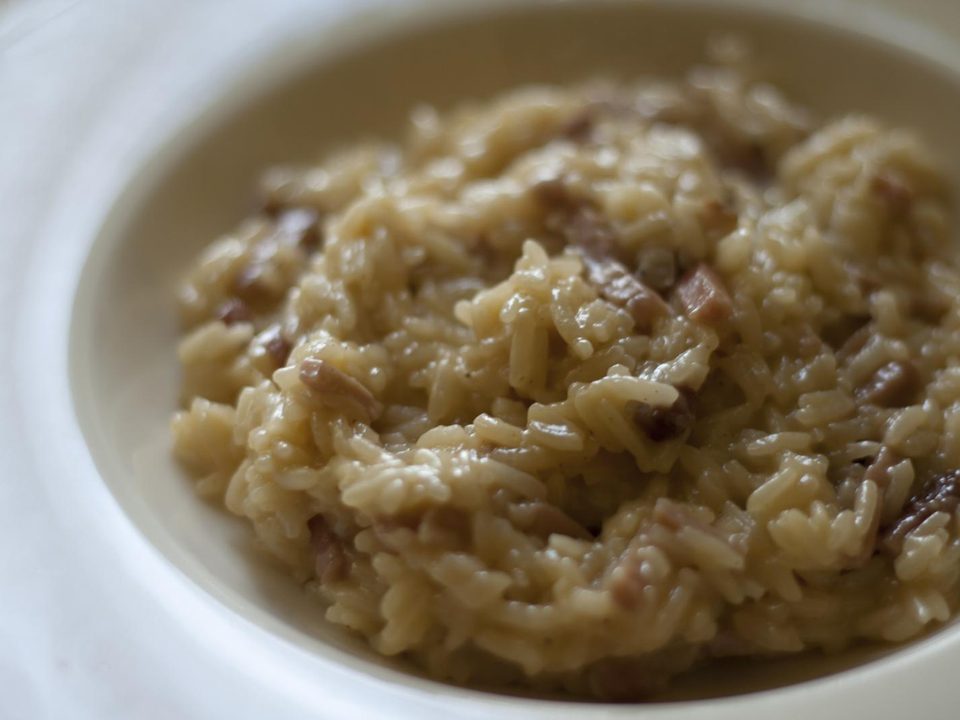
Photo: Luca Nebuloni from Milan, Italy, Wikimedia Commons, CC BY 2.0 (cropped)

Photo: Ceeseven, Wikimedia Commons, CC BY-SA 4.0 (cropped)
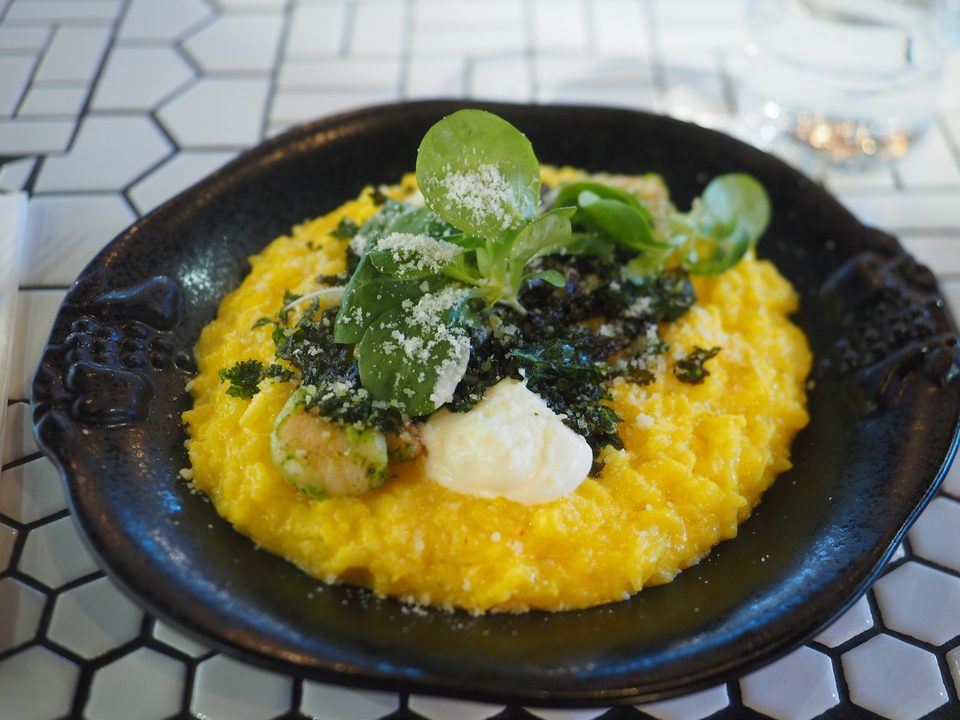
Photo: JIP, Wikimedia Commons, CC BY-SA 4.0 (cropped)
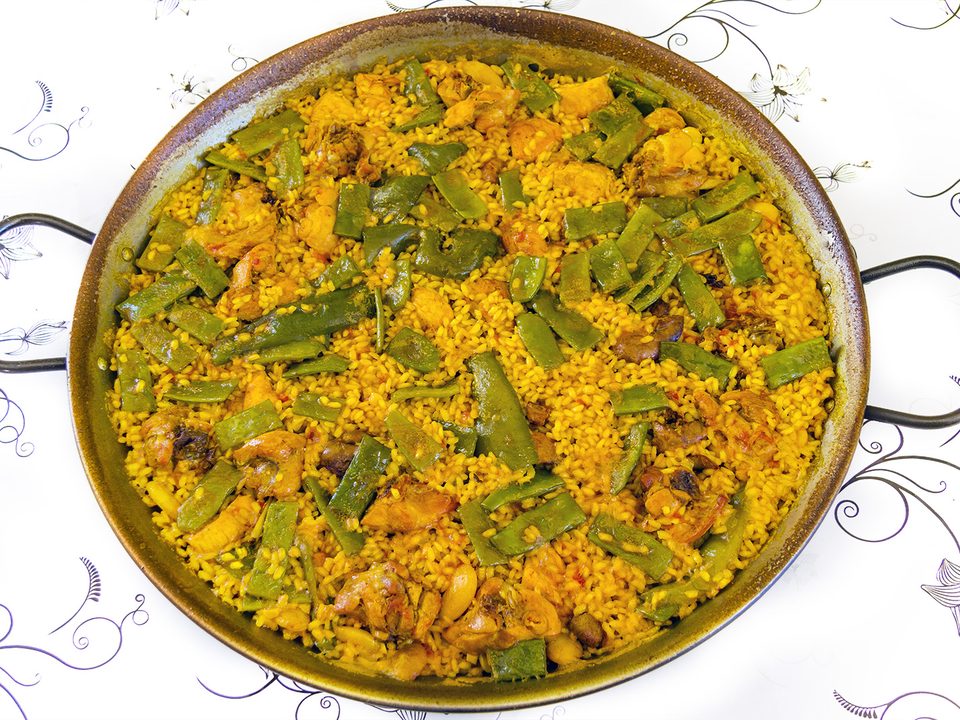
Photo: Jan Harenburg, Wikimedia Commons, CC BY-SA 4.0 (cropped)
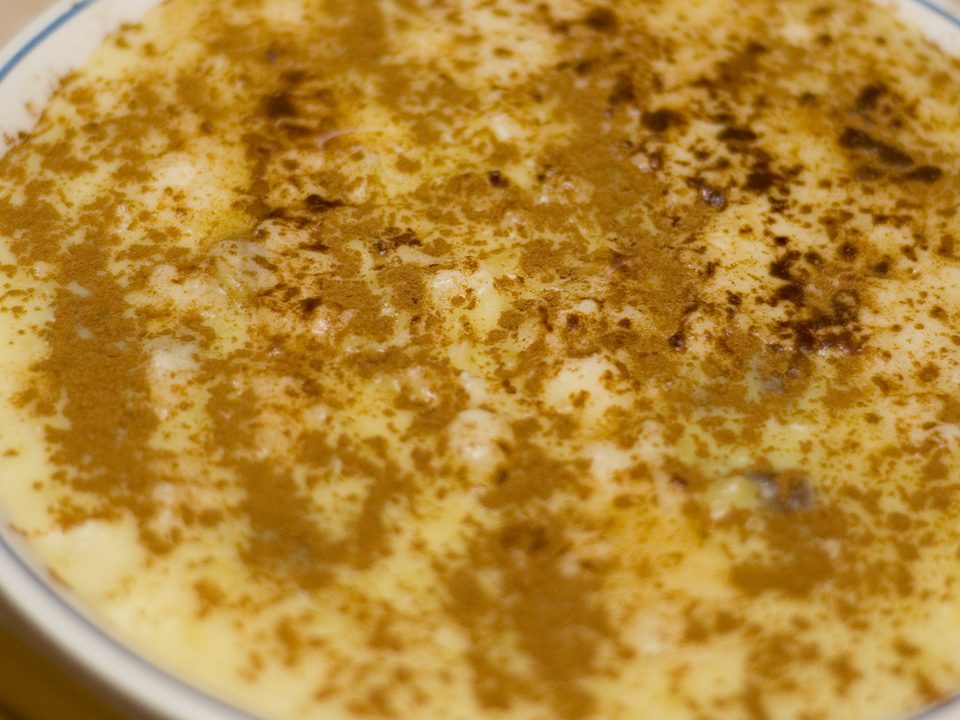
Photo: Ross Berteig from Monrovia, California, USA, Wikimedia Commons, CC BY 2.0 (cropped)
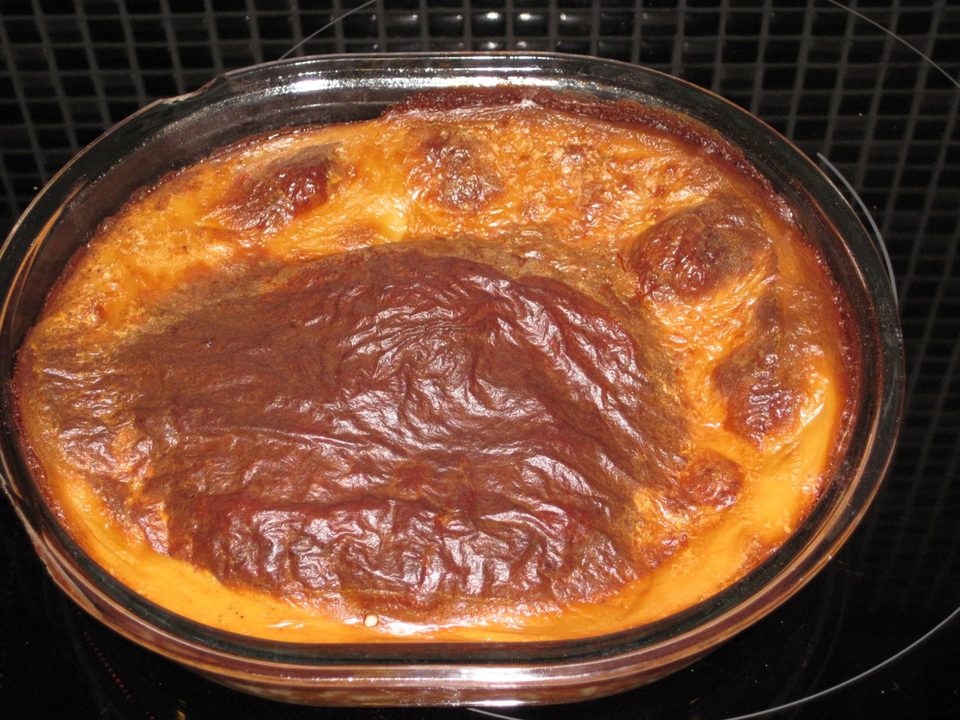
Photo: DuncanHarris, Wikimedia Commons, CC BY-SA 3.0 (cropped)
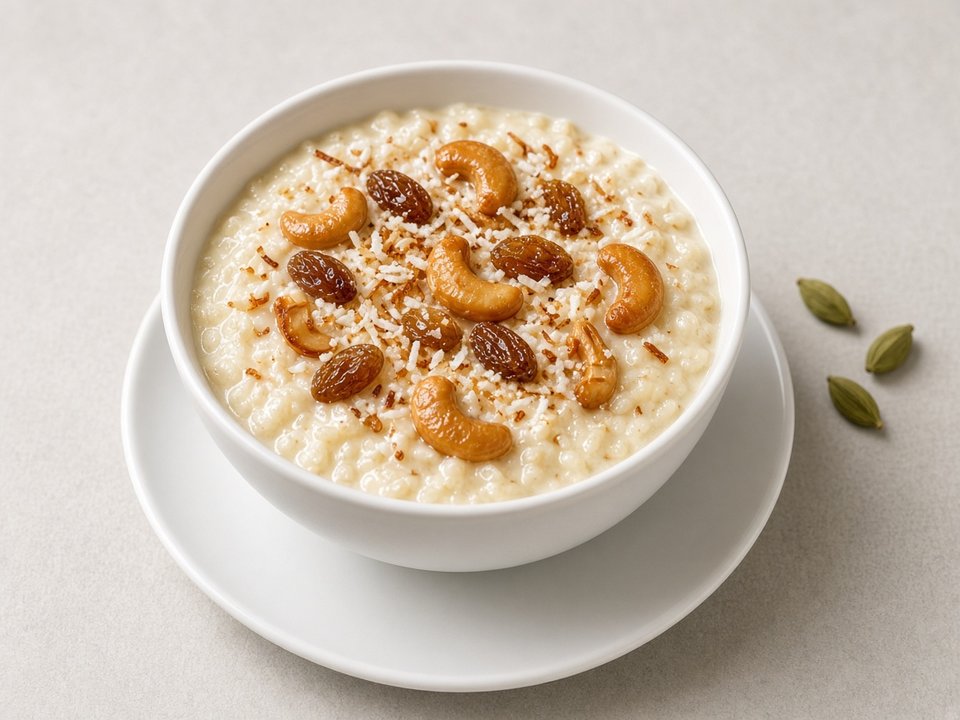
Illustration (AI-generated)
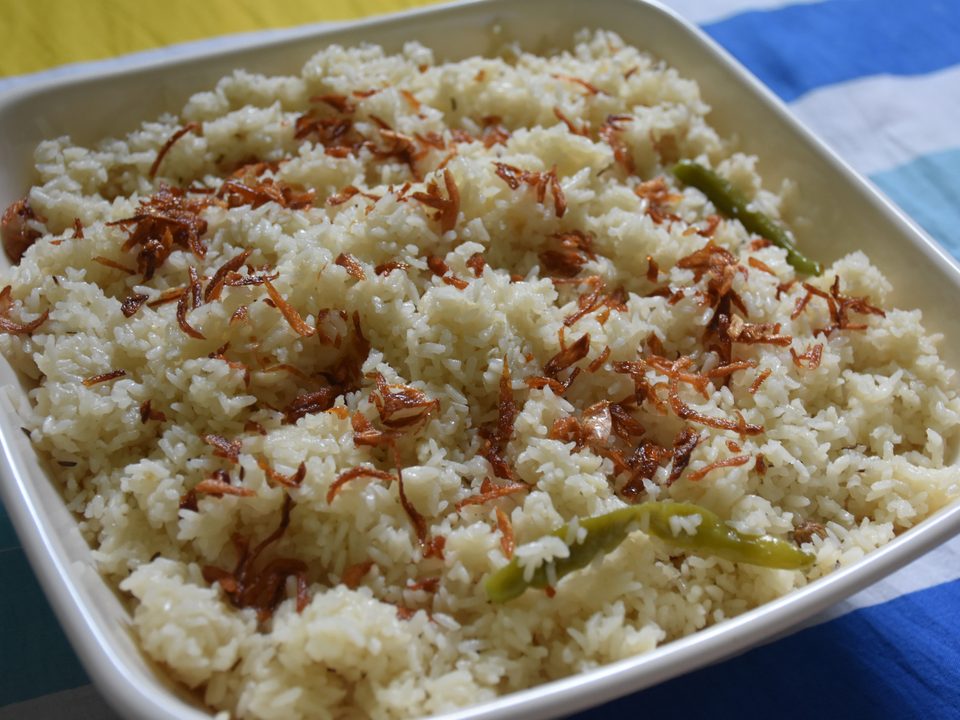
Photo: Rocky Masum, Wikimedia Commons, CC BY-SA 4.0 (cropped)
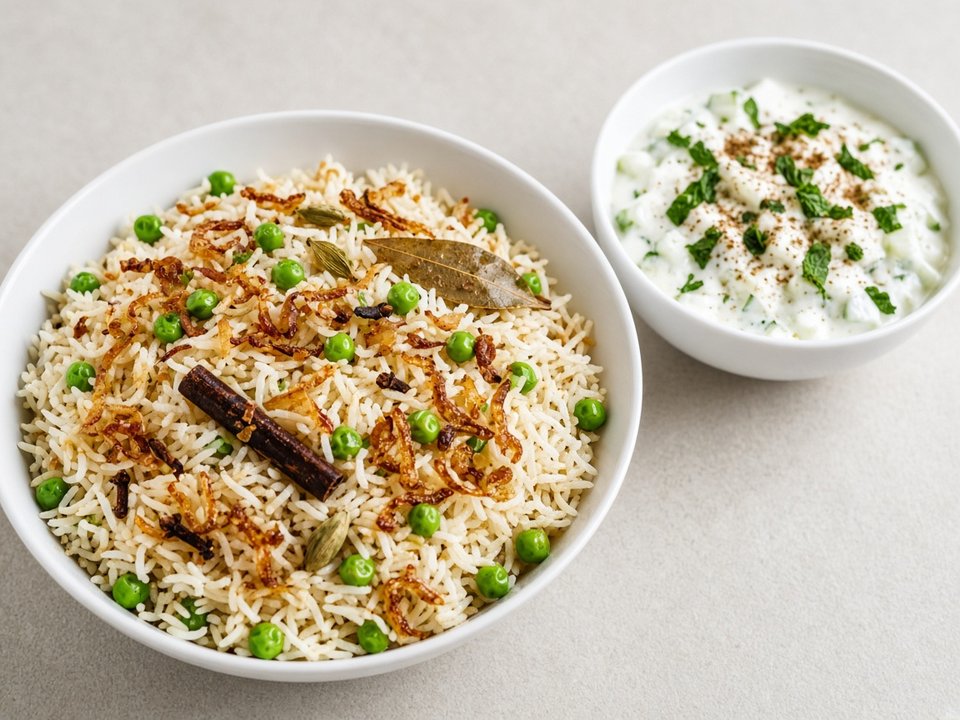
Illustration (AI-generated)
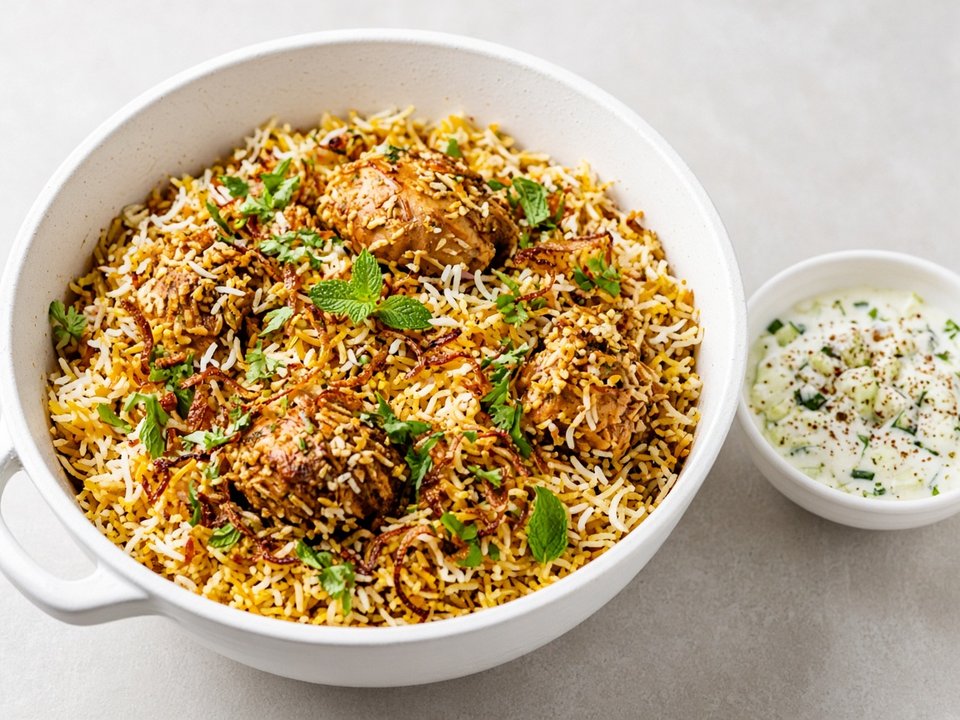
Illustration (AI-generated)
Photo: User:Justinc, Wikimedia Commons, CC BY-SA 2.0 (cropped)
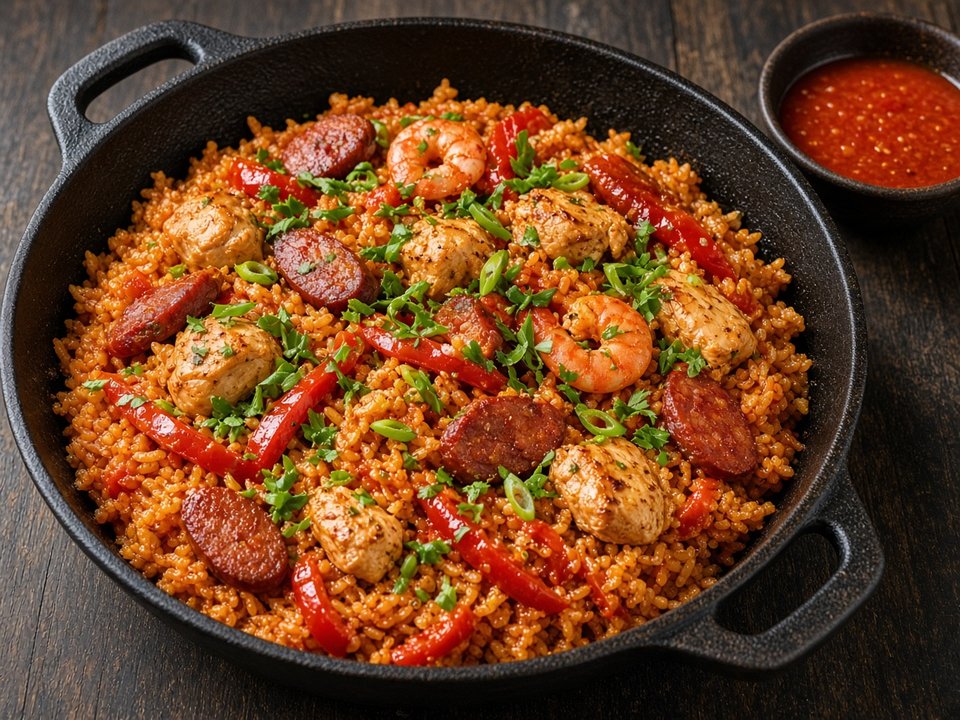
Illustration (AI-generated)


Sources for this guide (56)
- RisoItaliano: “Arborio, scheda varietale” (Italian): grain size, low amylose, bred 1946 by Domenico Marchetti
- RisoItaliano: “Carnaroli, scheda varietale” (Italian): bred 1945 by Achille De Vecchi at Paullo (Milan), Vialone × Lencino
- RisoItaliano: “Vialone Nano, scheda varietale” (Italian): medium grain, Nano × Vialone, 1937
- RisoItaliano: “Baldo, scheda varietale” (Italian): Arborio × Stirpe 136, 1964
- RisoItaliano: “Roma, scheda varietale” (Italian): Balilla × R 77, 1962
- RisoItaliano: “S. Andrea, scheda varietale” (Italian): selected from Rizzotto, 1968
- RisoItaliano: “Maratelli, scheda varietale” (Italian): found in 1914 at Asigliano Vercellese
- RisoItaliano: “Venere, scheda varietale” (Italian): Italy’s first black rice, 1997
- RisoItaliano: “Le varietà italiane” (Italian): grain groups and the sales names Arborio, Carnaroli, Roma o Baldo, S. Andrea, Vialone Nano (2024 data)
- RisoItaliano: “Ecco come si applica la nuova legge”, 6 Nov 2017 (Italian): Decree 131/2017 on rice names and the word “classico”
- Gazzetta Ufficiale, 7 Sept 2017, no. 209: Legislative Decree no. 131 of 4 August 2017 on the Italian rice market (Italian)
- C. Simonelli, L. Galassi, M. Cormegna, P. Bianchi (Ente Nazionale Risi and ERSAF): “Chemical, Physical, Textural and Sensory Evaluation on Italian Rice Varieties”, Universal Journal of Agricultural Research 5(2), 2017
- Riso Zaccaria: “Contenuto in amilosio dei risi Zaccaria” (Italian): a miller’s own amylose figures
- Riseria Re Carlo: “Riso Sant’Andrea” (Italian): 14–16 minutes, softer grain, panissa
- European Commission: “Riso Nano Vialone Veronese PGI” (origins, the 24 municipalities, first European rice PGI in 1996)
- European Commission GI recipes: Riso Nano Vialone Veronese PGI (“traditionally cooked and served in the all’onda style”)
- Italiana: “Which rice to use for risotto?” (Vialone Nano, seafood and risotto all’onda in the Veneto)
- GOV.UK protected food names: Riso di Baraggia Biellese e Vercellese (PDO, EU registration 22 August 2007)
- GOV.UK protected food names: Riso del delta del Po (PGI, EU registration 11 November 2009)
- Acquerello (Tenuta Colombara): “The first aged Carnaroli rice” (ageing below 15 °C, the germ, 1 to 8 years)
- Acquerello company profile 2023 (PDF): started 1991 by Piero Rondolino; 7-year rice darker, slower, more absorbent
- Wikipedia: Risotto (rice varieties; no rinsing; tostatura and mantecatura)
- Wikipedia: Carnaroli (“the king of rices”; Pavia, Novara and Vercelli)
- Wikipedia: Arborio rice
- Wikipedia: Vialone Nano
- Cookeryonline: “How to make a perfect risotto” (our risotto tips, with their own 19 sources: Marcella Hazan, Anna Del Conte, Giorgio Locatelli, Felicity Cloake, Serious Eats)
- The Rice Association (UK): Types of rice
- The Rice Association (UK): Cooking with rice (short, medium and long grain)
- Wikipedia: Japonica rice (rounder, stickier grains, more amylopectin)
- Wikipedia: Basmati (2-acetyl-1-pyrroline; soaking; the 2005 FSA survey and the code of practice)
- Wikipedia: Jasmine rice (Thai hom mali)
- Wikipedia: Glutinous rice (almost all amylopectin; no gluten)
- Wikipedia: Wild rice (Zizania)
- Wikipedia: Brown rice (cooking time, storage, arsenic)
- Wikipedia: Black rice (anthocyanins)
- Wikipedia: Camargue red rice
- GOV.UK protected food names: Riz de Camargue (PGI, EU registration 6 June 2000)
- Wikipedia: Bomba rice
- Wikipedia: Calasparra rice (Denominación de Origen since 1986)
- GOV.UK protected food names: Calasparra (PDO, EU registration 21 June 1996)
- Wikipedia: Paella (history; bomba and senia)
- Tilda: How to cook basmati rice (rinse; 2 to 1 water by weight; 10–12 minutes)
- Tilda: How to cook jasmine rice (2 to 1; 12 minutes; rest 3 minutes)
- Kikkoman UK: Our guide to cooking perfect rice (13 Oct 2025): absorption method, short-grain rice, brown and red rice
- BBC Food: Yuki Gomi’s perfect sushi rice (Saturday Kitchen)
- Sasha Marx, “Khao Niao (Thai Sticky Rice)”, Serious Eats
- University of Minnesota Extension, Real Life Good Food: Wild or brown rice
- Wikipedia: History of rice cultivation (Yangtze domestication; African rice; rice in Europe)
- The Forme of Cury, compiled about 1390, ed. Samuel Pegge (1780), Project Gutenberg eBook 8102: “Ryse of Flesh”
- Diane Yvonne Ghirardo, “Mediterranean Pathways: Exotic Flora, Fauna and Food in Renaissance Ferrara”, California Italian Studies 1 (2010)
- “12 sacks of rice”, Ferrara – Voci di una Città, Fondazione Estense (2004)
- Roberto Perrone, “La fabbrica del Duomo e l’invenzione del risotto”, Corriere della Sera, 29 January 2011 (Italian)
- Wikipedia (Italian): Risotto alla milanese (1809 “riso giallo in padella”; Luraschi, 1829)
- Food Standards Agency: Home food fact checker (rice: Bacillus cereus, cool within an hour, reheat once)
- NHS: Children’s food: safety and hygiene (cool rice within 1 hour, eat within 24 hours, never reheat more than once)
- Food Standards Agency, Safer Food Better Business: Rice (chilling quickly: small portions, shallow tray)
Written 1 November 2026. Facts checked against the sources above on 1 November 2026; Amazon listings checked on 1 November 2026.