

Christmas cookery · guide
How to Roast a Turkey
Our tips for a moist Christmas turkey: choosing and thawing the bird, taking the legs off so the breast cooks faster, removing the wishbone, roasting times by weight and how to tell when it is done.
- Times by weight
- Thawing chart
- Legs-off method
- Checked against FSA advice

New for Christmas 2026
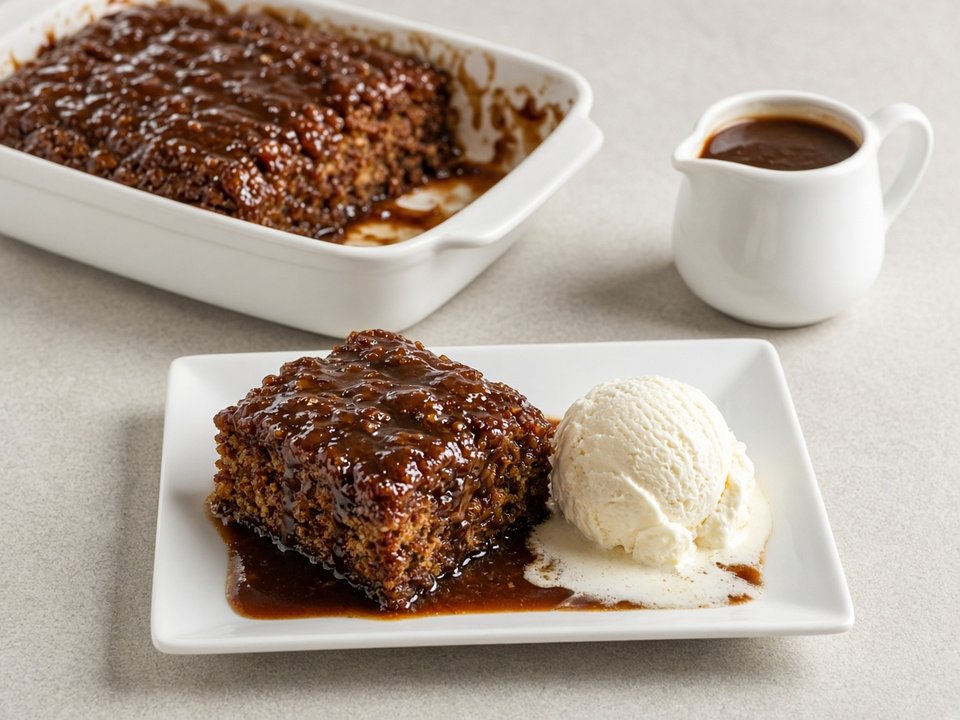


Also new: How to Make Gravy · Gravy from the Roast · How to Cook Ham · Types of Ham · Christmas Pudding · Brandy Sauce
BuyingChoosing a good turkey
- Fresh or frozen? A fresh bird from a good butcher usually has the better flavour and texture, and saves days of thawing. Order it early in December.
- Breed and rearing. Free-range and bronze turkeys have more flavour. Bronze birds have darker feather stubs in the skin, which is normal.
- Hen or stag? Hen birds tend to be smaller and finer-textured; big stags can be coarser.
- Keep the giblets. The neck, heart and gizzard make the stock for your gravy. Leave out the liver, which turns stock bitter; chop it into the stuffing instead.
A rule of thumbHow big a bird?
Allow about 500–700 g raw weight per person for a whole bird on the bone. That leaves a little for Boxing Day.
| Oven-ready weight | Serves |
|---|---|
| 4–5 kg | 6–8 |
| 5–6 kg | 8–10 |
| 6–7 kg | 10–12 |
| Boned, rolled joint 2–2.5 kg | 6–8 |
Check that the bird fits your oven and your roasting tin before you order it.
Thawing a frozen turkey
Thaw it in the fridge, never at room temperature, in a covered dish on the bottom shelf to catch the drips. Allow about 10–12 hours per kg (Food Standards Agency). Take the giblets out as soon as you can, pour away the liquid as it collects, and check there are no ice crystals in the cavity before cooking. A part-frozen bird cooks unevenly and may not be safe.
| Weight | Thawing time in the fridge | For Christmas Day 2026, move it to the fridge by |
|---|---|---|
| 4 kg | 40–48 hours | the morning of Wednesday 23 December |
| 5 kg | 50–60 hours | the morning of Tuesday 22 December |
| 6 kg | 60–72 hours | the morning of Tuesday 22 December at the latest; Monday 21st is safer |
| 7 kg | 70–84 hours | Monday 21 December, early |
Our tip: take the legs off
The breast is cooked well before the legs. Take the legs off and roast them separately, and the breast, still on the carcass, needs much less time, so it is far less likely to dry out. You also get a bird that fits a smaller tin and is easy to carve.
- Free the leg
Cut through the skin between the leg and the breast and pull the leg outwards so the joint shows.
- Snap and cut
Bend the leg back to pop the ball out of its socket, then cut between the joint and the carcass, keeping the “oyster” of meat on the back attached to the thigh.
- Cook the legs separately
Roast the legs in their own tin; they take about as long as the breast. If you have time, bone them, fill them with stuffing, roll them and wrap them in foil.
- Roast the crown
Roast the breast on the bone. Check it with a thermometer, as it can be ready well before the times in the table below.
 Exposing the jointPull the leg away from the body.
 Legs offThe crown, ready to roast.
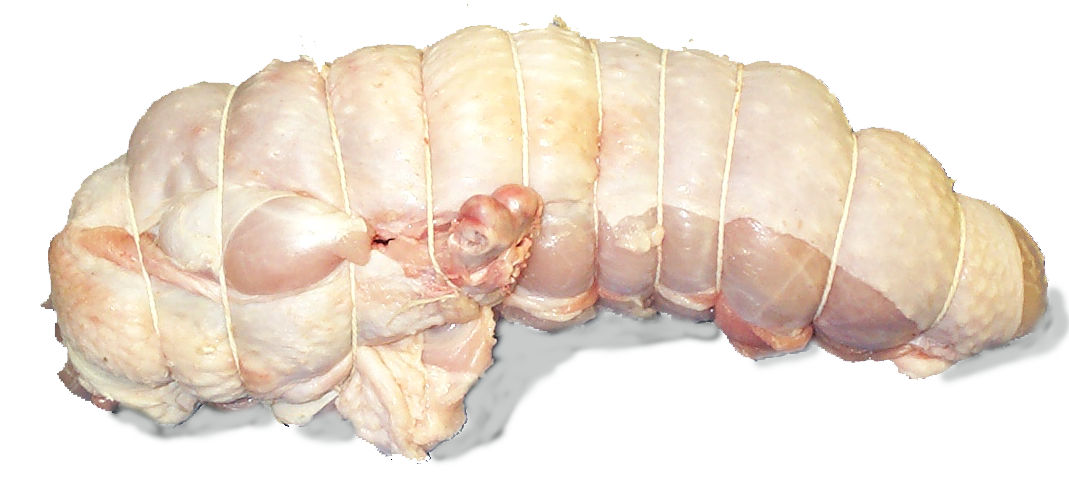 Boned and rolledTaken further: a boned, tied joint.
Take out the wishbone
With the wishbone gone, the breast carves into neat, full slices. It takes two minutes and is easiest on the raw bird; do it before you stuff the neck.
- Scrape
Lift the flap of neck skin. Run the tip of a small knife along the flesh on each side of the wishbone until the bone shows.
- Clear
Rub the bone clean of flesh with your fingers.
- Detach
Cut through the wishbone at its base, where it joins each side of the breastbone.
- Remove
Hook a finger round the top of the bone and lift it up and away in one piece.


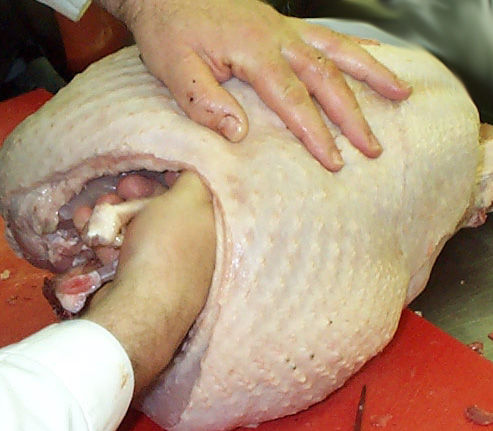
Step photos from the Cookeryonline archive.
Roasting times
Follow the instructions on the packaging if there are any. Otherwise heat the oven to 180°C (fan 160°C, gas 4) and use the Food Standards Agency’s guide for an unstuffed bird:
| Oven-ready weight | Time at 180°C (fan 160°C) | Examples |
|---|---|---|
| Under 4.5 kg | 45 minutes per kg, plus 20 minutes | 4 kg: 3 hr 20 min |
| 4.5 to 6.5 kg | 40 minutes per kg | 5 kg: 3 hr 20 min; 6 kg: 4 hr |
| Over 6.5 kg | 35 minutes per kg | 7 kg: 4 hr 5 min; 8 kg: 4 hr 40 min |
Start checking 30 minutes early: fan ovens and a legs-off crown both cook faster. Our Roast Turkey and Gravy recipe uses a chef’s method instead: a very hot start, then a lower heat with plenty of basting.
Food safetyIs it done?
Push a probe thermometer into the thickest part of the bird, between the leg and the breast, avoiding the bone. It is safely cooked at 70°C held for 2 minutes or 75°C for 30 seconds.
No thermometer? Pierce the same spot: the juices should run clear, the meat should be steaming hot and none of it should be pink. Cooked but not overcooked is the aim: an overdone bird is dry and tears when you carve it.
Do not skip itResting
Lift the turkey onto a board or platter, cover it loosely with foil and leave it for at least 45 minutes; up to an hour and a half is fine for a big bird. The juices settle back into the meat, it carves far more neatly and it stays hot under the foil. Meanwhile the oven is free for potatoes and stuffing, and you can make the gravy.
Tips for a better bird
- Breast-side down firstRoast the bird upside down for the first two-thirds of the time, so the juices run into the breast, then turn it over to brown the skin.
- Use a vegetable trivetSit the bird on thick slices of onion and carrot. They stop the skin sticking and tearing, and flavour the juices for the gravy.
- Pick the right tinToo big a tin and the juices spread out and burn, spoiling the gravy. If the tin dries out, add a little water or stock.
- Baste regularlySpoon the hot juices over the bird every 45 minutes or so. Cover the breast loosely with foil if it browns too fast.
- Do not wash the birdRinsing raw poultry splashes bacteria round the sink. Just pat it dry with kitchen paper.
- Stuffing on the sideRoll the stuffing into balls or a log and bake it for 30–40 minutes while the turkey rests.
- Make giblet stock aheadBrown the neck, heart and gizzard with an onion and carrot, cover with water and simmer for 1–2 hours the day before.
- Get a thermometerIt takes the guesswork out of the timing and saves you cutting into the bird.
After the feastLeftovers
- Cool the meat and get it into the fridge within 2 hours of cooking. Take it off the bone first: it cools faster and takes less space.
- Eat chilled leftovers within 2 days, or freeze them in portions. Reheat only once, until steaming hot.
- Use the carcass for stock, and see our Boxing Day ideas.
Sources (3)
Rewritten and updated 31 October 2026 for Christmas 2026.