

Knives · slicing meat
Carving Knives
Long, slender blades designed to cut even slices through cooked meat, including bevelled and serrated types, and how to choose a carving set.
- Blade 20–30 cm
- Knife and fork
- Roasts · ham · turkey
 Shop similar carving knife and fork sets on Amazon (opens in a new tab)
 Shop similar carving knives on Amazon (opens in a new tab)
What it’s for
With long, slender blades, these knives are designed to cut even slices through cooked meat; some are bevelled and/or serrated. They are also good for cutting cakes and bread.
This is the knife for the Sunday roast: a rib of beef, a leg of lamb, a gammon joint or the Christmas turkey. Carving forks have long prongs and often a guard to stop the knife sliding up to your hand.
BuyingHow to choose
- Blade length: 20 cm (8 in) to 30 cm (12 in). The longer the joint, the longer the blade; a long blade carves a whole ham or turkey breast in single strokes.
- Narrow and thin blades slice cleanly; a scalloped (hollow-ground) edge helps stop thin slices sticking to the blade.
- Pointed or round tip: a pointed tip works round bones; a round-tipped slicer is made for boneless joints, ham and smoked salmon.
- The fork: choose one with long tines and a finger guard.
Keep it sharp and safeCare
- Wash by hand in hot soapy water and dry straight away. Dishwashers dull the edge, knock the blade against other things and can crack wooden handles.
- Store it safely in a knife block, on a magnetic rack or in a blade guard, never loose in a drawer where the edge gets chipped (and so do fingers).
- Cut on wood or plastic. Glass, marble, slate and ceramic boards blunt an edge very quickly.
- Hone little and often with a steel, and sharpen only when honing no longer brings the edge back. See Sharpening.
At the tableCarving tips
- Rest the joint under loose foil: 15–20 minutes for most roasts, at least 45 minutes for a big turkey. It carves far more neatly.
- Cut across the grain of the meat for tender slices.
- Use long, smooth strokes, letting the length of the blade do the work, rather than sawing.
- Steady the meat with the back of the fork rather than stabbing it, which lets out the juices.
Our carving guide takes you through a turkey or chicken step by step.
Put it to work
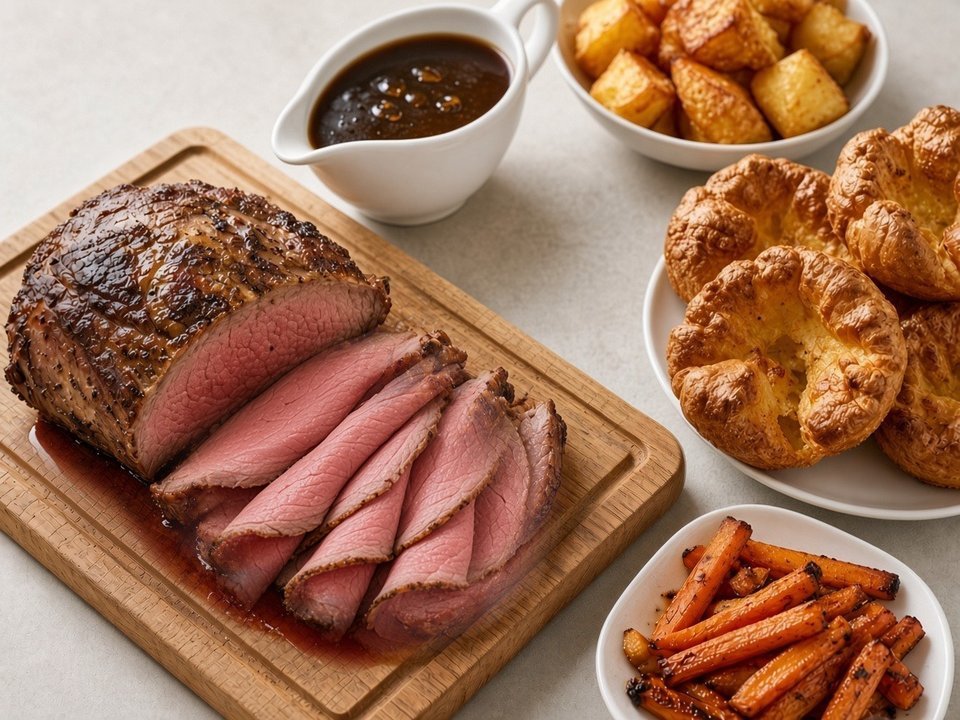
Illustration (AI-generated)
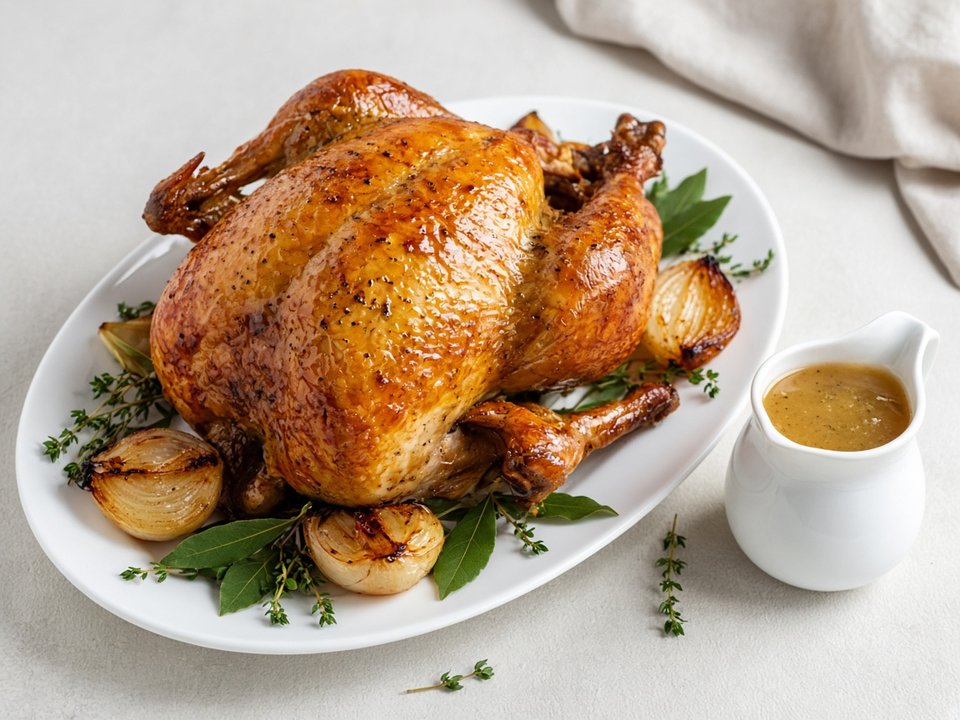
Illustration (AI-generated)
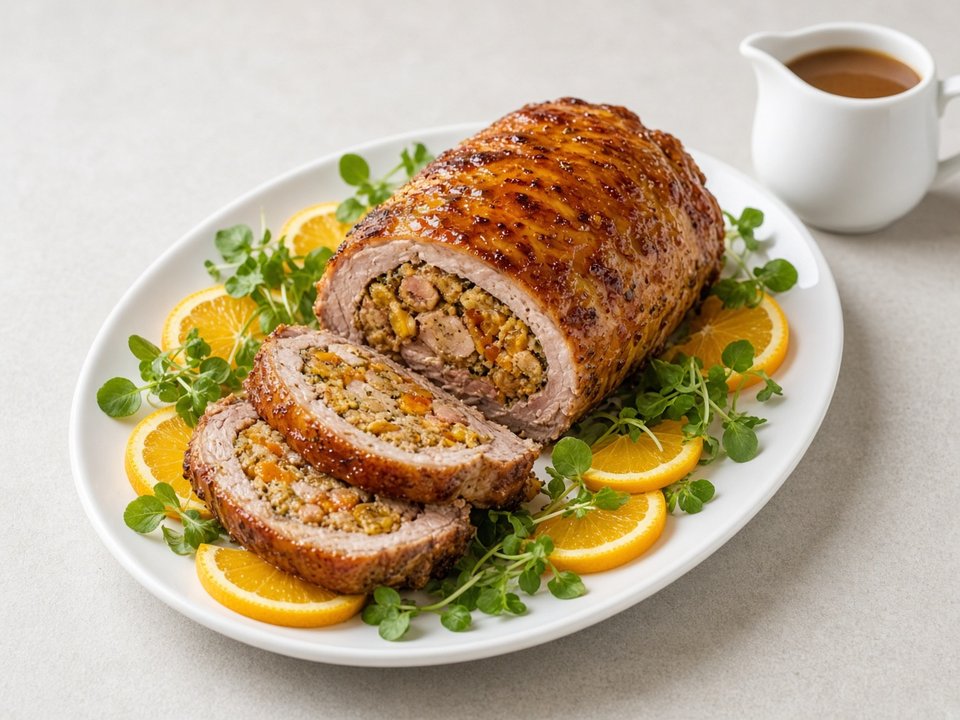
Illustration (AI-generated)


Tidied and updated 1 November 2026. Products checked on Amazon.co.uk on 1 November 2026.