

Knives · the everyday knife
Chef’s Knives
The general-purpose knife for chopping, dicing and slicing vegetables, meat, herbs and other ingredients, and what to look for when you buy one.
- Blade 15–30 cm
- 20 cm suits most cooks
- Chop · dice · slice
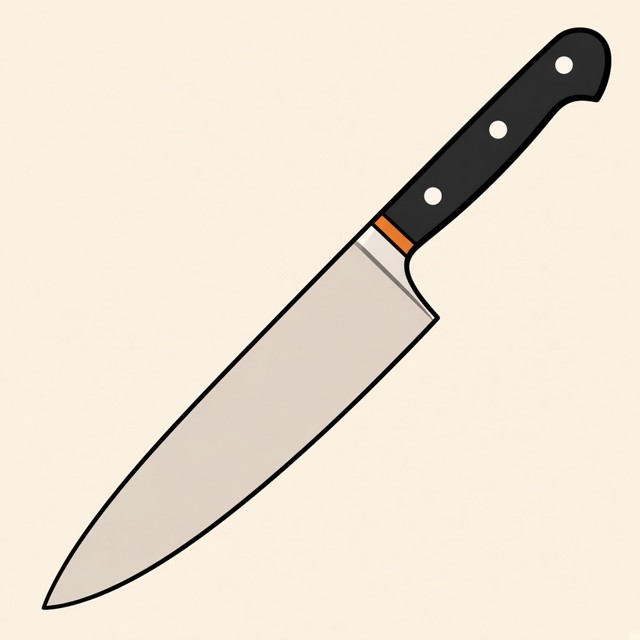
 Shop similar all-steel chef's knives on Amazon (opens in a new tab)
 Shop similar chef's knives on Amazon (opens in a new tab)

What it’s for
These general-purpose knives are ideal for chopping, dicing and slicing vegetables, meat, herbs and other ingredients. The classic French chef’s knife has a broad blade and a curved cutting edge for rocking through a chopping task.
It is the knife for dicing onions, carrots and celery for a stew, shredding cabbage, chopping a bunch of parsley, cutting a chicken breast into strips for a stir-fry, or crushing a clove of garlic under the flat of the blade.
The 20 cm (8 in) blade suits most cooks; those with small hands might prefer a 15 cm (6 in) blade and those with large hands might choose a 25 cm (10 in) one.
BuyingHow to choose
- Blade length: chef’s knives run from 15 cm (6 in) to 30 cm (12 in). Start with a 20 cm.
- Tang and bolster: as with all knives, look for a tang that runs the full length of the handle and a good-sized bolster to stop your fingers slipping onto the blade.
- Steel: beyond that, the price you pay depends mostly on the quality of the steel.
- Handle: some handles are moulded on, with the tang fused in and no rivets; others are solid metal. Personally, I have not got on with some all-metal brands (Global, for one): I had rapid damage to the blades and found the grip uncomfortable.
- Try it in your hand. In the end it comes down to how much you want to spend and personal preference: does it feel comfortable, is it worth it, can you afford it?
Keep it sharp and safeCare
- Wash by hand in hot soapy water and dry straight away. Dishwashers dull the edge, knock the blade against other things and can crack wooden handles.
- Store it safely in a knife block, on a magnetic rack or in a blade guard, never loose in a drawer where the edge gets chipped (and so do fingers).
- Cut on wood or plastic. Glass, marble, slate and ceramic boards blunt an edge very quickly.
- Hone little and often with a steel, and sharpen only when honing no longer brings the edge back. See Sharpening.
Two other shapesSantoku and gyuto
Japanese-style knives are popular alternatives. The santoku has a shorter, flatter blade that suits up-and-down chopping rather than rocking; the gyuto is the Japanese version of the chef’s knife. Both are usually lighter, with harder steel and a thinner edge: very sharp, but more likely to chip if you hit a bone or twist the blade.
Put it to work

Photo: Marcus Guimarães, Wikimedia Commons, CC BY 2.0 (cropped)
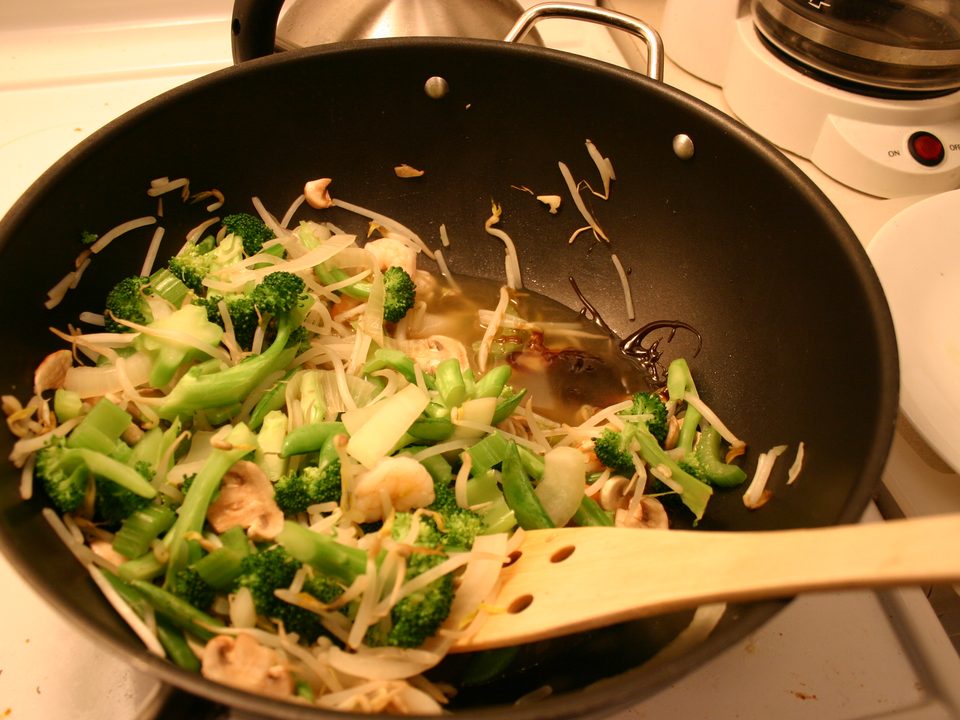
Photo: Mack Male from Edmonton, AB, Canada, Wikimedia Commons, CC BY-SA 2.0 (cropped)
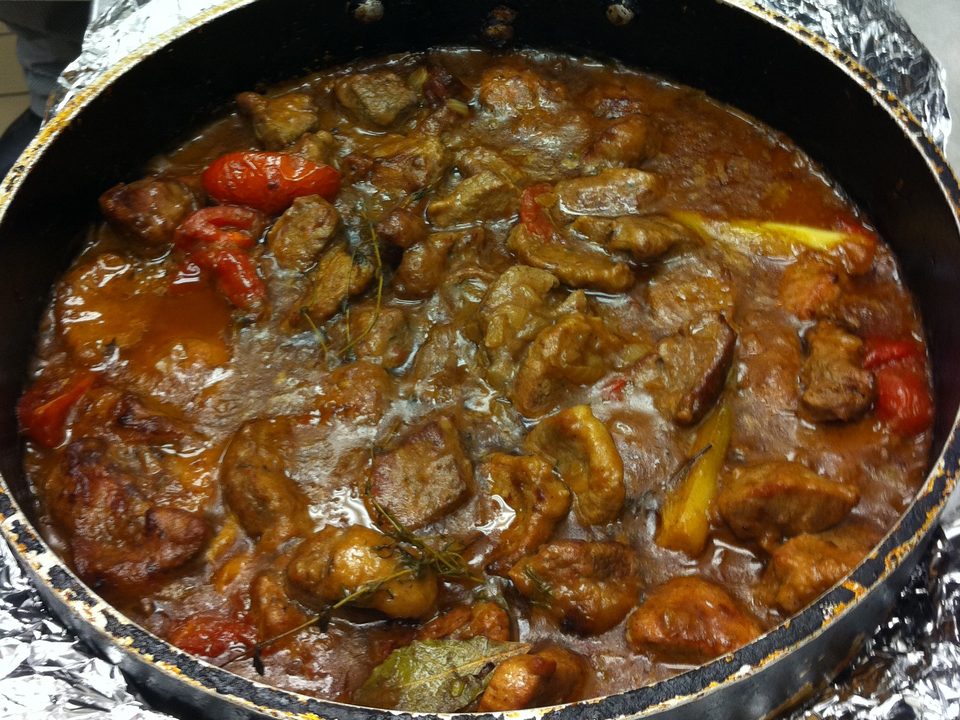
Photo: TonyHagale, Wikimedia Commons, CC BY-SA 3.0 (cropped)


Tidied and updated 1 November 2026. Products checked on Amazon.co.uk on 1 November 2026.