

Knives · taking out bones
Boning Knives
The two main types of boning knife, how each one is used, and what to look for, from boning a leg of lamb to a chicken thigh.
- Blade 12.5–20 cm
- Rigid or flexible
- A fine point
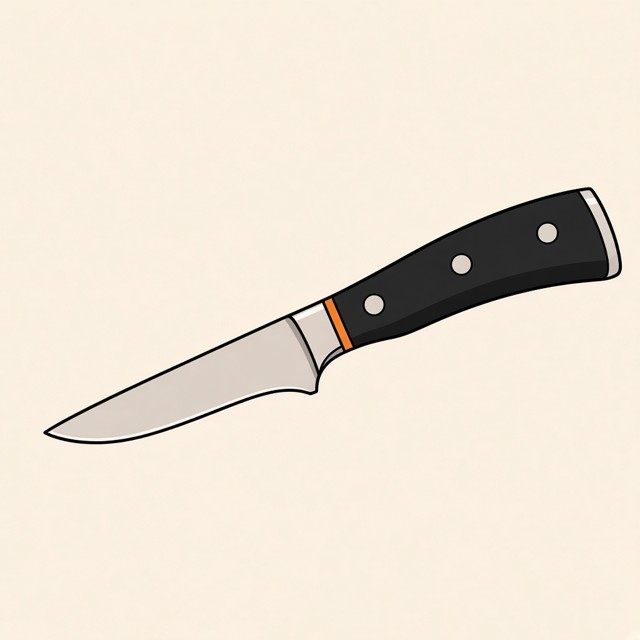
 Shop similar rigid boning knives on Amazon (opens in a new tab)

What it’s for
There are two main types of boning knife. The first is longer, with a rigid or flexible blade; the flexible-bladed knives are similar to filleting knives and work equally well on fish and poultry.
The second type is held like a dagger and has a rigid blade. In both cases it is the tip of the blade that does the work, so a fine point is essential.
Use one to take the bone out of a leg or shoulder of lamb, bone a saddle of lamb for stuffing, take the thigh bones out of a chicken, trim a rack of lamb or pork, or take the wishbone out of a turkey.
BuyingHow to choose
- Blade: 12.5 cm (5 in) to 20 cm (8 in). A 15 cm blade does most jobs.
- Stiff or flexible: a stiff blade for beef and pork; a flexible one for poultry and for working closely round small bones.
- Narrow and pointed: a narrow, often slightly curved blade gets into joints and round bones.
- Grip: your hands get greasy, so choose a non-slip handle with a finger guard or bolster.
Keep it sharp and safeCare
- Wash by hand in hot soapy water and dry straight away. Dishwashers dull the edge, knock the blade against other things and can crack wooden handles.
- Store it safely in a knife block, on a magnetic rack or in a blade guard, never loose in a drawer where the edge gets chipped (and so do fingers).
- Cut on wood or plastic. Glass, marble, slate and ceramic boards blunt an edge very quickly.
- Hone little and often with a steel, and sharpen only when honing no longer brings the edge back. See Sharpening.
- Wash it at once after raw meat or poultry, and keep it apart from knives used for ready-to-eat food.
TechniqueBoning tips
- Keep the blade against the bone and work with short strokes of the tip; the bone shows you where to go.
- Pull the meat back with your other hand as you cut, so you can see the bone.
- Cut away from yourself, and keep the hand that holds the meat behind the blade.
- Keep the bones for stock.
Taking the wishbone out of a turkey: see How to Roast a Turkey.
Put it to work

Illustration
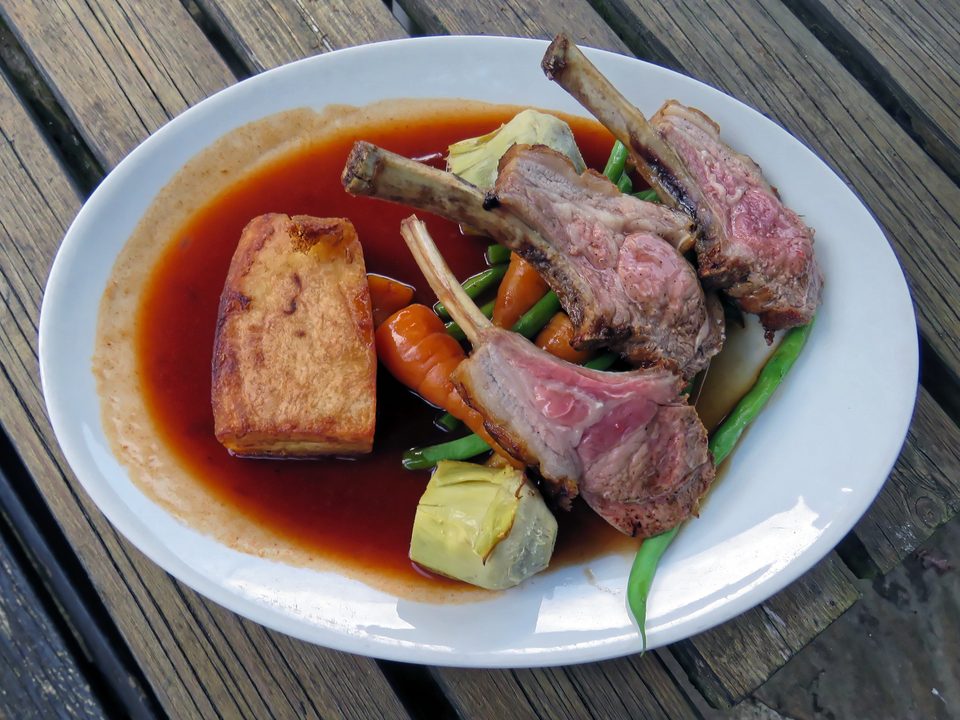
Photo: Acabashi, Wikimedia Commons, CC BY-SA 4.0 (cropped)


Tidied and updated 1 November 2026. Products checked on Amazon.co.uk on 1 November 2026.