

Knives · flexible blades for fish
Filleting Knives
Flexible knives for filleting and skinning fish, and for other delicate jobs such as segmenting oranges.
- Blade 15–25 cm
- Flexible
- Plaice · sole · mackerel · salmon
 Shop similar filleting knives on Amazon (opens in a new tab)
 Shop similar filleting knives on Amazon (opens in a new tab)
What it’s for
Filleting knives have flexible blades that make them ideal for fish and other delicate meats that need to be boned, skinned or sliced thinly. They are also good for working round fruit cores and for slicing and peeling jobs such as segmenting oranges.
Unlike a boning knife, the whole blade is used, in a sawing motion along the bone or skin. A carving knife can also be used to fillet a large fish such as a salmon.
BuyingHow to choose
- Blade: 15 cm (6 in) to 25 cm (10 in). A 15–18 cm blade suits flat fish such as plaice and sole, and round fish such as mackerel and trout; go longer for salmon.
- Flexibility: the blade should bend enough to run flat along the bones and under the skin.
- Grip: fish is slippery, so choose a non-slip handle.
Keep it sharp and safeCare
- Wash by hand in hot soapy water and dry straight away. Dishwashers dull the edge, knock the blade against other things and can crack wooden handles.
- Store it safely in a knife block, on a magnetic rack or in a blade guard, never loose in a drawer where the edge gets chipped (and so do fingers).
- Cut on wood or plastic. Glass, marble, slate and ceramic boards blunt an edge very quickly.
- Hone little and often with a steel, and sharpen only when honing no longer brings the edge back. See Sharpening.
- Wash it at once after raw fish, and keep it apart from knives used for ready-to-eat food.
Filleting a flat fish
- Cut down the middle
Lay the fish dark side up. Cut down the centre line from head to tail, through to the backbone.
- Lift the first fillet
Keeping the blade flat against the bones, slide it out towards the edge with long strokes, lifting the fillet as you go.
- Repeat
Take the second fillet from the other side of the centre line, then turn the fish over and do the same. A flat fish gives four fillets.
- Skin it
Lay a fillet skin side down, hold the tail end and work the blade between skin and flesh with a gentle sawing action, blade angled slightly down.
Our fish and seafood dictionary describes each fish and how to cook it.
Put it to work
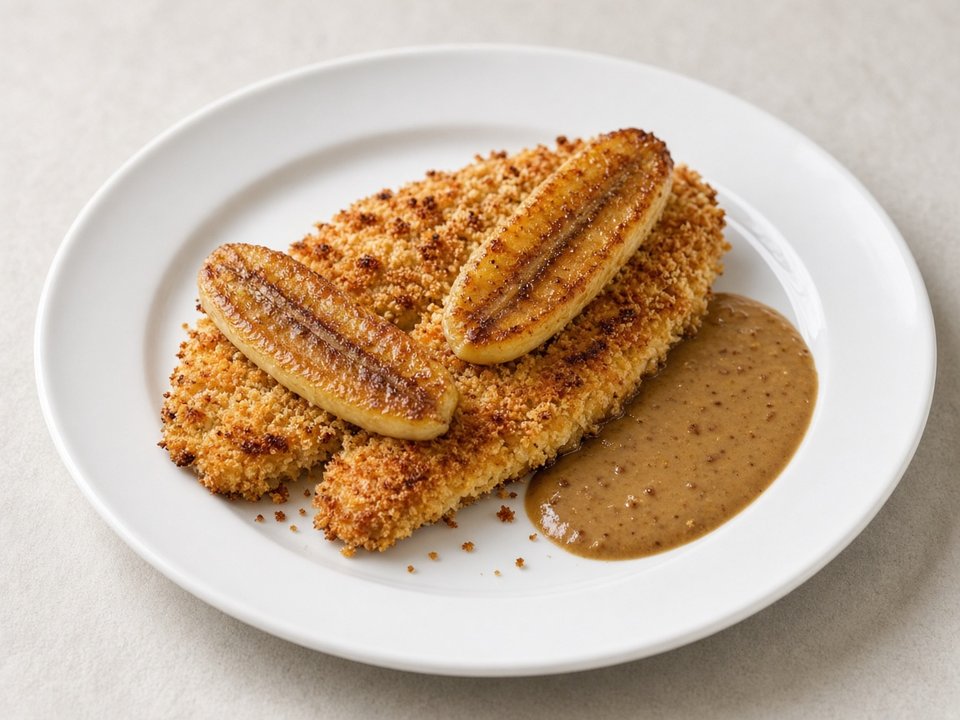
Illustration (AI-generated)
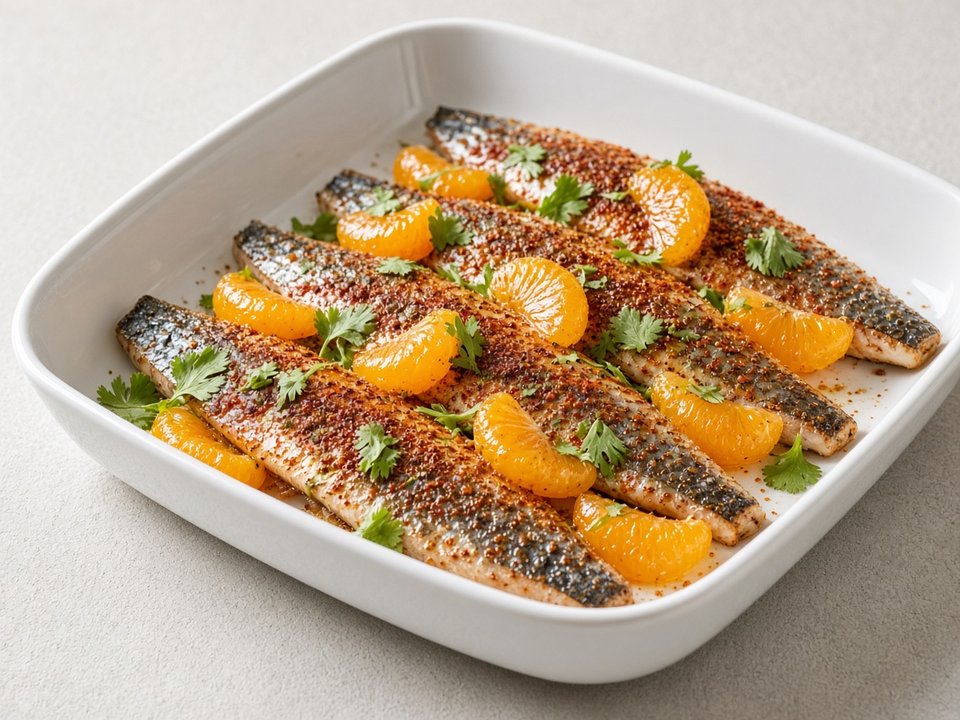
Illustration (AI-generated)
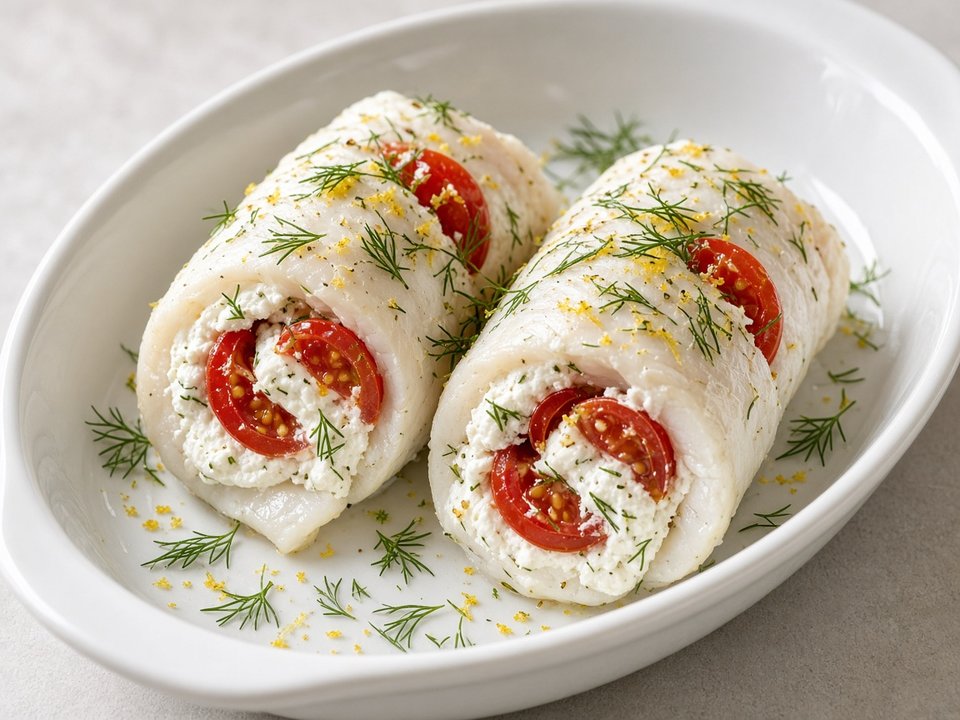
Illustration (AI-generated)


Tidied and updated 1 November 2026. Products checked on Amazon.co.uk on 1 November 2026.