

Knives · the bird’s beak
Turning Knives
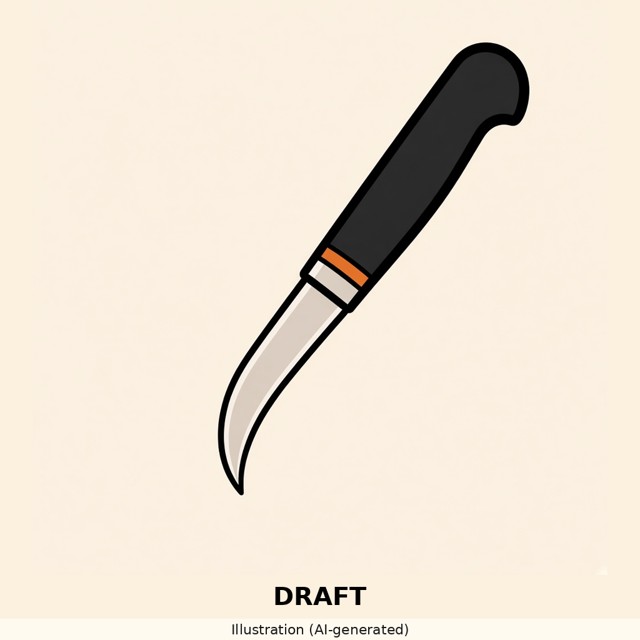
Small, curved knives for shaping, trimming and peeling vegetables, and for the classic French “turned” vegetable.
- Short curved blade
- Also called bird’s beak or tourné
- Shape · trim · peel
 Shop similar turning knives on Amazon (opens in a new tab)

What it’s for
Small, curved-bladed knives for shaping, trimming and peeling vegetables. The classic turning knife has a distinctly curved blade (it is also called a bird’s beak or tourné knife) that makes it easy to “turn” vegetables: that is, to cut them into barrel shapes.
The classic French tourné is a small barrel about 5 cm long with seven equal faces, usually cut from potatoes, carrots or turnips. Pieces of the same size and shape cook evenly and look neat on the plate. The knife is also handy for peeling shallots, taking the eyes out of potatoes and hulling strawberries.
BuyingHow to choose
- Blade: short and curved, usually 6–8 cm (2½–3 in).
- Tang and bolster: as with paring knives, look for a tang that runs the full length of the handle and a good-sized bolster to stop your fingers slipping onto the blade.
- Price: after that, what you pay depends on the quality of the steel. Some handles have the tang fused in with no rivets, so the choice depends on how much you want to spend and personal preference.
Keep it sharp and safeCare
- Wash by hand in hot soapy water and dry straight away. Dishwashers dull the edge, knock the blade against other things and can crack wooden handles.
- Store it safely in a knife block, on a magnetic rack or in a blade guard, never loose in a drawer where the edge gets chipped (and so do fingers).
- Cut on wood or plastic. Glass, marble, slate and ceramic boards blunt an edge very quickly.
- Hone little and often with a steel, and sharpen only when honing no longer brings the edge back. See Sharpening.
How to turn a potato
- Cut a blank
Peel the potato and cut it into pieces about 5 cm long; cut large potatoes into quarters lengthways.
- Hold it
Hold the piece between the thumb and fingers of your other hand, with the thumb of your knife hand braced against the bottom of it.
- One curved stroke
Draw the blade from top to bottom in a single arc, taking off one face and tapering both ends.
- Turn and repeat
Turn the piece a little, use the edge of the last cut as your guide, and repeat until you have seven equal faces. Use the trimmings for soup or mash.
Put it to work
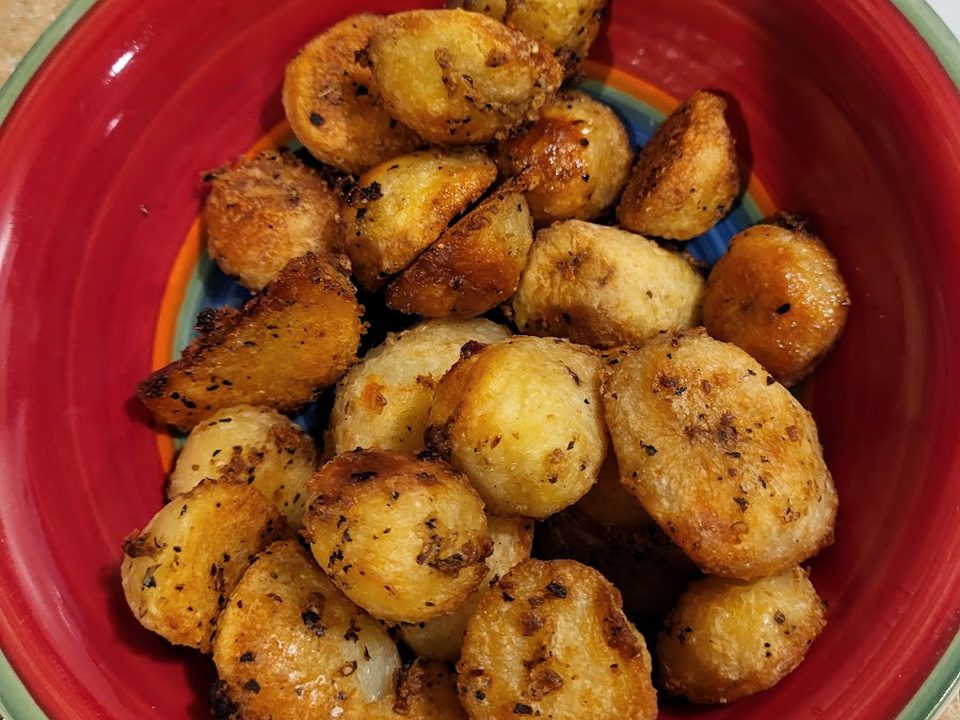
Photo: Punker1999, Wikimedia Commons, CC0 (cropped)
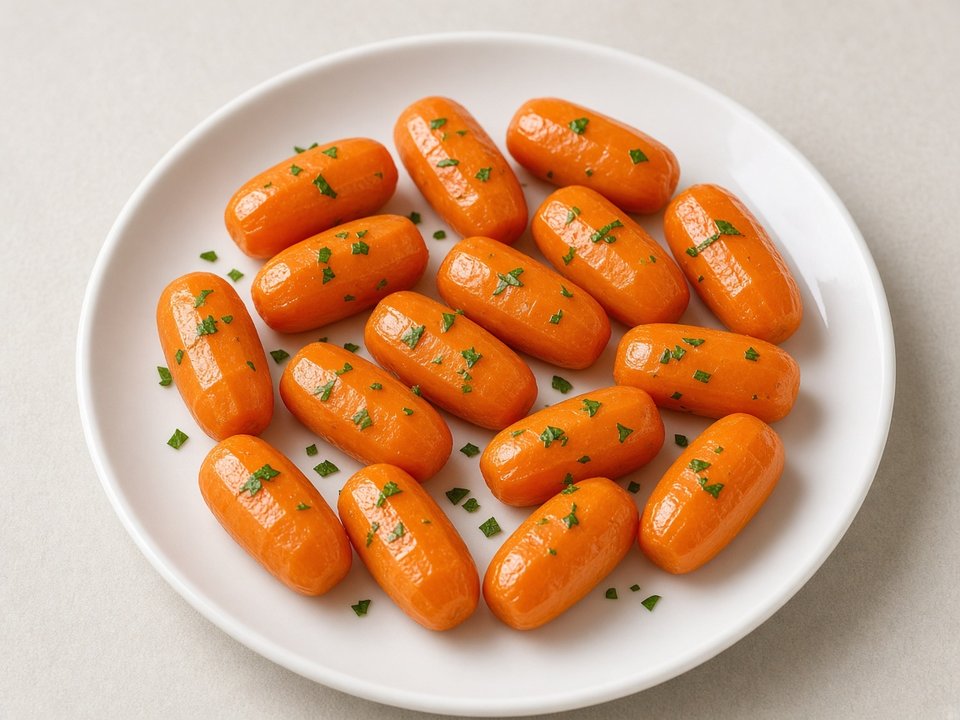
Illustration


Sources (1)
Tidied and updated 1 November 2026. Products checked on Amazon.co.uk on 1 November 2026.